
Preparing Your Home for Every Season
Prepare your Ontario home for spring, summer, fall, and winter with four practical seasonal checklists, plus a severe-weather plan and a before-you-travel comfort card.
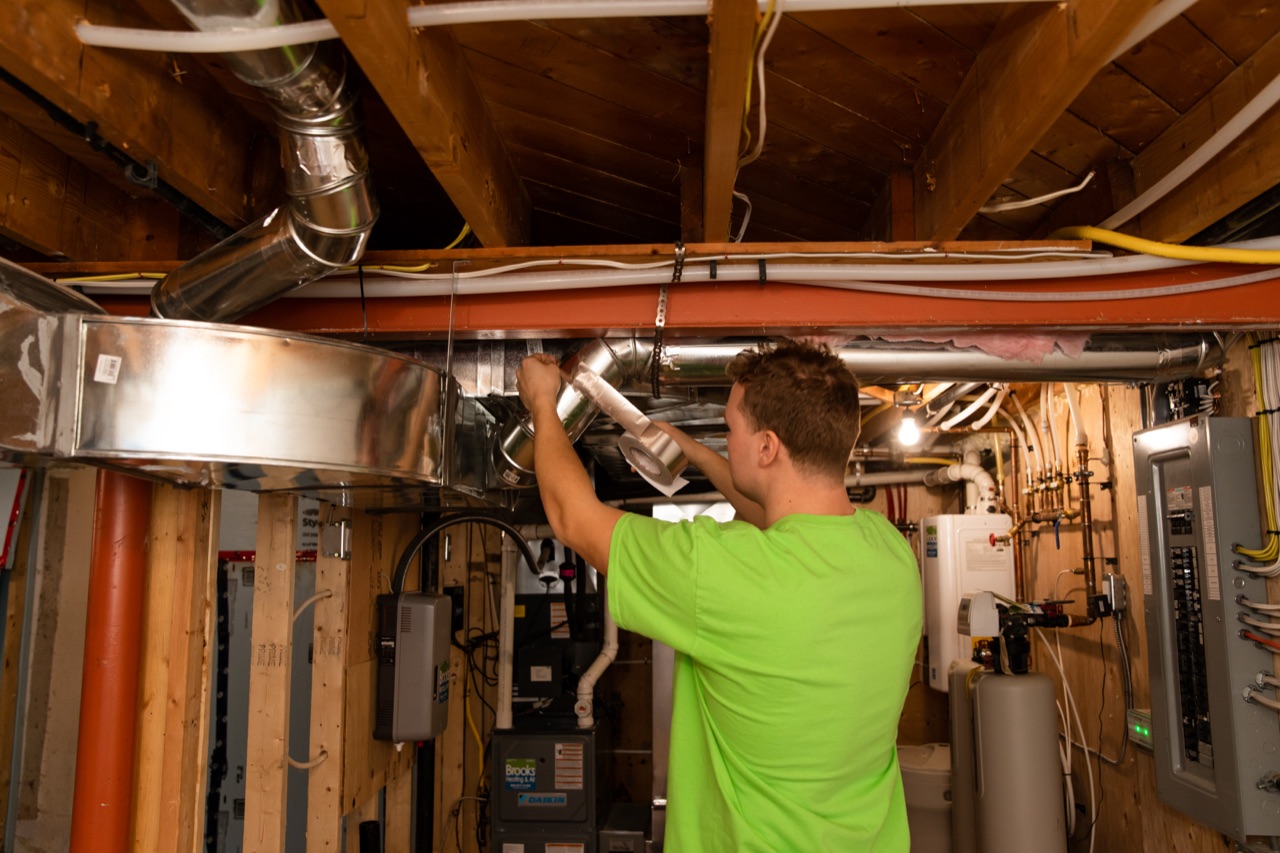
Prepare an Ontario home at four changeover points: before spring rain, before summer heat, before fall heating, and before winter storms. At each reset, confirm safe operation and clear only user-accessible areas. Review alarms and emergency plans. Book qualified work before the system is under heavy demand. Add a severe-weather plan and a written away-from-home plan. This is not a month-by-month maintenance calendar. The short routine helps the household enter each season with fewer unknowns. Fuel, electrical, refrigerant, combustion, and internal equipment work stays in professional hands.
Key takeaways
- Use one focused reset before each season instead of a long list of monthly chores.
- Test normal operation early enough to address a non-urgent problem.
- Keep alarms, exits, safe locations, and a three-day emergency kit current.
- Put suspected fuel leaks, CO alarms, fire, sparking, and electrical water hazards first.
- Leave written settings, contacts, and limits when the home will be vacant.
Set four reset days
Choose a date a few weeks before each season usually puts pressure on the home. A reset is not a full service visit — if your household would rather have that routine work scheduled for you, Brooks’ seasonal maintenance plans cover it automatically. Otherwise, treat the reset as a household check of controls, records, safe access, visible conditions, and emergency readiness.
Bring the equipment manuals and last service notes. Record what changed since the previous season, including renovations, new occupants, pets, accessibility needs, or a room now used in a different way. Confirm which system serves each area — a furnace and air conditioner need a different list from a heat pump with backup heat, and Brooks’ Ontario Homeowners’ HVAC System Guide walks through how each type behaves through the seasons. Boilers, ductless units, and shared condo equipment have their own needs too.
Only use controls and access points described for the homeowner. Do not remove a panel, handle refrigerant, test combustion, change gas or propane settings, alter wiring, or clear an internal drain. A reset should reveal the next qualified action, not create a repair attempt.
Put immediate hazards outside the checklist
Some signs do not wait for a seasonal appointment. When a carbon monoxide alarm gives its emergency signal, move everyone outdoors immediately and call 911 or local emergency services from outside. Do not go back in until emergency responders say it is safe.
If you suspect a natural-gas or propane leak, get out without touching switches, a thermostat, an appliance, or a garage-door opener. Do not use a flame or phone inside. Call 911 and the gas utility or propane supplier from a safe place. Do not approach the equipment or delay leaving to search for a shutoff.
Leave and call for emergency help when there is fire or smoke. Keep away from sparking, a damaged electrical service, a downed line, or water beside equipment that may be energized. Do not enter water to reach a disconnect. These events belong with emergency services, the utility, or the qualified trade that owns the hazard. A routine visit or second opinion is not the first response.
Spring reset: manage the thaw and the handoff
Spring is the time to check what snow, ice, wind, and indoor winter moisture left behind. It is also the handoff from heating to cooling, not a reason to run cooling in weather the equipment manual says is too cold.
Use this spring checklist:
- Review water paths. Stay in a dry, safe area. Look for new staining, active drips, damp stored items, or water moving toward mechanical or electrical equipment. Stop if electricity may be involved.
- Check the outdoor area. After snow has gone, remove loose leaves and litter from the ground around accessible equipment. Do not open guards, straighten fins, spray electrical parts, or handle piping.
- Read the cooling instructions. Confirm the thermostat mode, approved operating conditions, filter directions, and any user-level start-up step.
- Try one normal cooling cycle when conditions allow. Note room response, airflow, sound, odour, and visible water. Turn the system off and seek service for ice, repeated starting, warm supply air, or water where it does not belong.
- Plan around pollen and open windows. Use official outdoor conditions and household needs to decide when to air out the home. Keep the correct filter in place without assuming a denser filter will fit the system.
- Resolve winter notes. Carry forward any fault code, unusual noise, blocked access, or unfinished recommendation rather than starting the cooling season with a blank record.
The spring goal is a clean handoff between heating and cooling — see Brooks’ air conditioning services for what qualified cooling care covers. It is not a deep equipment cleaning or a substitute for work the manual assigns to a technician.
Summer reset: plan for heat before it arrives
Cooling is only one part of hot-weather readiness. The household also needs a place to go if the home becomes unsafe during extreme heat or an extended outage.
Use this summer checklist:
- Confirm the cooling plan. Review the normal setpoint, schedule, fan setting, and any zones. Make one change at a time so a poor result can be traced.
- Protect airflow. Keep indoor supply and return openings in use and unblocked. Follow the manual for an accessible filter rather than using a fixed seasonal replacement rule.
- Reduce avoidable heat and moisture. Use shade where practical and exterior-vented kitchen and bathroom exhaust during normal use. Do not treat a comfort product as a fix for an active leak.
- Watch visible drainage. Water around indoor equipment, a full drain pan, or repeated pump trouble needs assessment. Stay out of internal drains and electrical compartments.
- Prepare for a hot-weather outage. Identify a safe alternative location. Account for medication and powered medical equipment, charge communication devices, and refresh the emergency kit.
- Check before a storm. Secure ordinary outdoor items without covering operating HVAC equipment or blocking service space, intake, exhaust, or airflow.
If the system cannot hold the usual comfort during one very hot period, record the outdoor conditions, rooms, runtime, and controls. That evidence is more useful than repeatedly lowering the thermostat.
Fall reset: make the first heating call routine
Do the heating reset while mild weather still leaves time to deal with a non-emergency concern — Brooks’ furnace services page outlines what a professional fall inspection typically covers. Different equipment needs different technical care, so use its manual and written service history.
Use this fall checklist:
- Review every heating source. Include the main system, backup heat, a boiler, fireplace, or other fuel-burning appliance that is actually used.
- Test a normal heating cycle. Confirm the expected mode and room response. Stop for a fault, burning smell that does not quickly clear as described by the manual, repeated shutdown, smoke, or an alarm.
- Confirm carbon monoxide protection. Ontario houses with a fuel-burning appliance, fireplace, attached garage, or qualifying outside heated-air source require CO alarms. Current rules require them beside each sleeping area and on every storey. Follow the alarm instructions and ask the local fire department about a specific building.
- Check visible outside openings. From the ground, make sure accessible vents are not covered by stored items or plant growth. Do not alter a vent or enter a roof area.
- Arrange qualified fuel work. Ontario guidance calls for yearly professional cleaning and inspection of fuel-burning appliances, chimneys, and vents before cold weather. Certified people working for a TSSA-registered contractor must handle regulated fuel tasks.
- Place records together. Keep manuals, earlier findings, alarm replacement dates, warranty terms, and emergency contacts where the household can find them.
The fall reset should end with either a normal first cycle or a clear service request. It should not end with a homeowner opening fuel-burning equipment.
Winter reset: keep access and backup plans workable
Winter readiness changes after each major storm. The safe job is to preserve access and follow instructions, not to fight ice on the equipment.
Use this winter checklist:
- Check from stable ground. Follow the equipment instructions for snow clearance around outdoor units, air intakes, and exhausts. Do not climb, chip ice from equipment, or use heat, salt, tools, or chemicals to free it.
- Keep indoor equipment space clear. Move paper, fabric, chemicals, and stored goods away from hot surfaces and required service space.
- Know the outage response. Ontario says not to use a gas stove or oven for heat. Never run a barbecue, camp stove, or generator indoors. Go to the planned safe location if indoor temperature becomes unsafe and leaving is safe.
- Protect essential needs. Include mobility devices, medication, communications, well pumps, and the needs of children, older adults, and pets.
- Restore power slowly. Current Ontario guidance says to wait 10 to 15 minutes after power returns. Then turn appliances on gradually, starting with essentials such as winter heat. Contact an electrician if the electrical system appears damaged.
- Keep the route safe. Arrange snow clearing and access without piling snow against equipment, meters, intake, or exhaust openings.
Never improvise indoor combustion heat. Equipment made for outdoor use can produce carbon monoxide and smoke.
Build one severe-weather comfort plan
Ontario recommends a household emergency plan and supplies for at least three days. Add the utility contact, two safe locations, and the household communication method. List equipment served by electricity. Decide when the home would be too hot or cold to occupy safely.
Keep a battery or crank radio, charged power banks, lights, medications, water, food, seasonal clothing, and copies of important contacts together. Follow Alert Ready and official local information during an event. A forecast does not diagnose equipment, but it tells you when to finish preparation and avoid unnecessary travel.
If authorities direct a utility shutoff or evacuation, follow their instructions. Household members may learn where controls are. During a hazard, no one should operate a fuel valve, electrical disconnect, or water control without clear direction and safe access.
Leave a before-you-go comfort card
Travel preparation is different from seasonal maintenance. Fill out this card for the person checking the home:
| Record | Write down |
|---|---|
| Normal settings | Thermostat and system modes chosen from the manuals and household needs |
| Do not change | Controls, valves, panels, resets, or rooms that require qualified access |
| Check-in plan | Visit schedule, safe entry, pets, plants, and who receives an update |
| Weather response | Official alert source and the agreed action for heat, cold, storm, or outage |
| Emergency lane | 911, utility, fuel supplier, property manager, insurer, and safe meeting place |
| Non-urgent HVAC lane | Equipment name, recent concern, service contact, and approval limit |
| Return record | Alarm, outage, leak, temperature, fault, or visit noted with date and time |
Do not shut off heating in freezing weather or choose an extreme setback by guesswork. The safe setting depends on pipes, equipment, the building, insurance terms, pets, plants, and who can respond. If any of those limits are unclear, reach out to Brooks Heating & Air before you leave rather than guessing.
The checker should leave for a CO alarm, suspected gas or propane leak, fire, smoke, sparking, or water near energized equipment. Written permission to enter the house is not permission to enter a hazard.
Frequently asked questions
Should I service heating and cooling equipment every season?
Not by one universal schedule. Use each manual, warranty, equipment type, condition, and service history. Seasonal resets help you plan, while a qualified provider defines the technical work that applies to the actual system.
Can I test air conditioning on the first warm spring day?
Only when the equipment instructions allow operation at the outdoor conditions. Confirm the correct mode and let it run normally. Do not force repeated starts or continue if there is ice, unusual water, a fault, or warm supply air.
What should stay on when I leave for a winter trip?
There is no single setting for every home. Choose heating, water, ventilation, and monitoring arrangements from the equipment instructions, building needs, insurance terms, and advice from the qualified providers involved. Leave the settings and response limits in writing.
Is a CO alarm check enough before heating season?
No. Maintain alarms exactly as their instructions require, but alarms do not replace professional care of fuel-burning appliances, chimneys, and vents. An emergency alarm means everyone leaves and calls from outside.
What if a seasonal check finds a problem?
First classify it. Use emergency services for an active safety hazard. For a stable, non-emergency HVAC concern, record the equipment, condition, sound, code, room, and weather, stop unsafe operation, and arrange qualified assessment.
Choose the next seasonal question
Complete only the checklist for the season ahead and circle one item that needs a reliable answer. Brooks’ Learning Center is a low-pressure place to look for that topic before deciding whether a non-urgent service call is needed.
If one of these seasonal checks keeps turning up the same problem, it may be time to weigh repair against replacement — see Repair or Replace: The Complete Decision Guide.