
Repair or Replace: The Complete Decision Guide
Not sure whether to repair or replace your HVAC system? This guide walks through safety, diagnosis, repair history, warranty, and long-term cost so you can make an evidence-based decision instead of guessing from equipment age alone.
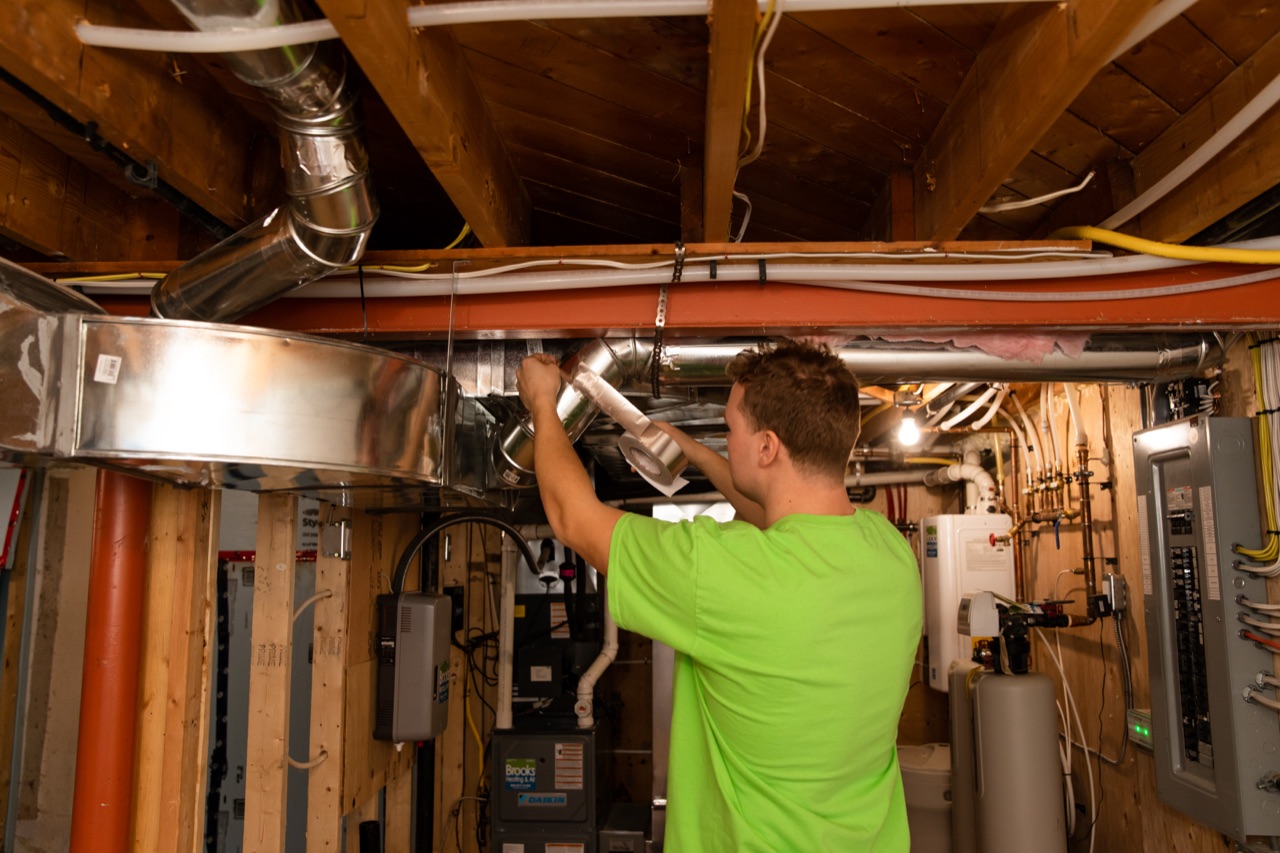
Repair is a sound choice when the equipment can operate safely, the fault is understood, suitable parts and service are available, and the expected result fits your plans. Replacement deserves study when safety cannot be restored, failures keep returning, a major part is unavailable, the system no longer fits the home, or several costly problems are converging. Age, one repair price, or a sales rule should never decide the issue alone. Ask for a written diagnosis, compare both paths over the time you expect to own the home, and get another opinion when the evidence is incomplete.
Key takeaways
- Start with safety and a written diagnosis, not equipment age.
- Keep repair on the table whenever it is safe and makes practical sense.
- Compare the likely result of each path, not only today’s invoice.
- Check exact warranty, part, and refrigerant facts before assuming anything.
- Treat comfort, energy use, and future renovations as evidence, not promises.
First decide whether the system can be made safe
Suspected natural-gas or propane leakage stops the normal cost discussion. Leave immediately. Do not operate switches, a thermostat, appliances, a garage-door opener, a phone, a vehicle, or equipment near the suspected leak. Do not create a flame or try to find or shut off the source. From a safe location, call 911, then the natural-gas utility or propane supplier. Do not re-enter until emergency responders or the fuel provider clears the area.
A heating-oil odour is not proof of a natural-gas or propane leak. If oil odour or a visible oil leak occurs without an immediate danger, stay away from the equipment and contact the fuel supplier or qualified service provider. Smoke, fire, strong fumes, or another immediate danger means leave and call 911. A carbon monoxide alarm also means everyone leaves and calls 911 or local emergency services from outside.
An ordinary fault with no fuel-gas warning, alarm, smoke, fire, or immediate danger follows a stop-use-and-service path. Do not open the equipment. Record only what can be observed from safety and arrange qualified diagnosis.
Other safety findings can include confirmed unsafe combustion, a damaged heat exchanger, scorched wiring, repeated electrical protection trips, a serious refrigerant leak, or unsafe venting. Qualified assessment comes before repair-versus-replacement arithmetic.
Safety does not automatically mean replacement. The next question is whether the exact fault can be corrected to meet the equipment instructions and applicable Ontario requirements. A registered fuels contractor may be able to repair a fuel-fired appliance safely. A certified refrigeration and air-conditioning mechanic may be able to correct a cooling or heat-pump fault. In other cases, damage, part availability, or the condition of connected components may rule out a reliable repair.
Ask the person diagnosing the system to separate three statements:
- What failed? Name the part, condition, code, or measurement.
- Why did it fail? Distinguish normal wear from airflow, drainage, electrical, fuel, control, installation, or system-design causes.
- What would the repair accomplish? State what will be corrected, what remains uncertain, and how operation will be checked afterward.
If those answers are not clear, the decision is not ready.
Build a one-page evidence record
Use one sheet for facts and keep estimates attached. A written record keeps a stressful service call from turning into a guess.
Equipment identity
- model and serial numbers for indoor and outdoor equipment
- fuel or energy source
- thermostat and zone-control models
- installation date if documented, not estimated
- exact refrigerant listed on the nameplate where applicable
Current diagnosis
- symptoms, fault codes, and measured findings
- part or work proposed
- cause or contributing conditions
- whether the system can run safely before work
- test that will confirm the repair
History
- past repairs and whether the same fault returned
- maintenance and filter records
- refrigerant added, leak work, combustion results, and electrical work
- changes to ducts, insulation, windows, additions, or room use
Decision facts
- written repair scope and warranty
- exact manufacturer parts status
- remaining manufacturer or labour coverage, verified in writing
- comfort or energy problem that would remain after repair
- expected years in the home, planned renovation, and available budget
Unknown is an acceptable entry. It tells you what must be checked before signing.
Test the case for repair
Repair has a strong case when the diagnosis is specific, the safety issue can be corrected, the part is appropriate, and the rest of the system is in workable condition. It becomes stronger when the fault is isolated, the equipment still fits the home’s load and distribution, and previous service has not revealed a pattern of major failures.
Ask what caused the fault. Replacing a failed motor without correcting a blocked filter, high duct pressure, control problem, or drainage issue may leave the cause in place. Likewise, adding refrigerant without finding why charge was lost does not establish a durable repair.
The repair scope should say how the result will be checked. That may involve safe operation, temperature, airflow, electrical measurements, combustion, drainage, controls, or manufacturer fault history. The right test depends on the equipment and must be performed by someone qualified for the work.
Repair can also be the right bridge. If you expect an addition, envelope project, electrical upgrade, or move, a sound repair may preserve options until the home’s future load is known. A bridge repair still needs an honest expected result. It should not be presented as permanent when evidence says otherwise.
Test the case for replacement
Replacement has a stronger case when the system cannot be restored safely, a required part is no longer available from a reliable source, several major faults are interacting, or the installed system is a poor match for the home. Persistent comfort trouble may point to sizing, ducts, hydronic distribution, controls, or building-envelope conditions that a like-for-like repair will not address.
Replacement may also deserve comparison when repairs are becoming frequent and unrelated. Count documented events, not memories. One repeat call caused by an unresolved installation problem is different from several components reaching poor condition.
Do not assume replacement fixes every concern. New equipment will not repair an undersized return path, leaking duct, blocked radiator, wet basement, weak insulation, or bad thermostat location. The replacement case should identify which problem the new design solves and which work remains outside the equipment.
An efficiency rating is useful for comparing similar models. Natural Resources Canada explains that EnerGuide labels compare energy performance within a product class. A rating does not predict one home’s bill. Weather, fuel prices, settings, loads, distribution, installation, and household use still matter.
Put age in its proper place
Equipment age helps identify documentation, parts, refrigerant, efficiency, and the chance that several original components have similar wear. It is not a countdown clock. There is no universal age at which every furnace, air conditioner, boiler, or heat pump should be replaced.
Use a documented installation date when possible. Then ask:
- Is the exact part available and approved for this equipment?
- Does the manufacturer still provide technical information?
- What does the service history show?
- Is the cabinet, heat exchanger, coil, compressor, burner, wiring, or distribution in sound condition?
- Would the repaired system still fit the current home?
An older system with an isolated, repairable fault can remain a sensible repair. A newer system with serious damage or a design mismatch can deserve replacement study. Condition and evidence matter more than a birthday.
Verify parts, refrigerant, and warranty
Do not accept “obsolete,” “under warranty,” or “no parts” without details. Ask for the exact part number, supplier status, expected timing, and any manufacturer-approved substitute. Used or improvised parts need careful scrutiny, especially in fuel, electrical, pressure, control, or refrigerant systems.
Warranty coverage varies by manufacturer, model, registration, installation, owner, part, and date. Read the current written terms for the exact equipment. Confirm whether coverage includes only the part or also diagnosis, labour, shipping, refrigerant, and related work. Do not rely on a general brand statement.
For cooling equipment and heat pumps, record the exact refrigerant from the nameplate and the leak diagnosis. Ontario restricts regulated refrigerant handling to certified people, and an Ozone Depletion Prevention card alone does not qualify someone to repair refrigeration equipment. Refrigerant type by itself does not order replacement. Availability, legal service options, leak location, repairability, charge, parts, and equipment condition belong in the comparison.
Compare ownership cost without a shortcut
A single price comparison looks simple but ignores too much. Instead, write two time-based scenarios for the years you expect to keep the home.
For the repair path, include the present repair, work needed to correct its cause, known maintenance, and only additional risks supported by the inspection. Do not stack every possible failure into a scare total.
For the replacement path, include the complete installed scope, any duct, hydronic, venting, drain, electrical, control, or fuel changes, financing cost if used, maintenance, and work that the project does not solve. Do not subtract an assumed energy saving without a house-specific basis.
Then compare uncertainty. A repair with a clear diagnosis and test may carry less risk than a rushed replacement with no load or distribution review. A well-designed replacement may carry less risk than repeated repairs to a system with several confirmed defects. The facts decide which statement fits.
Add comfort and future plans
Map the current concern by room, season, and time of day. If the equipment maintains temperature but one addition stays cold, the first issue may be distribution or the building envelope. If the whole home falls behind and measured capacity no longer matches the load, equipment design becomes more important.
Include humidity, sound, cycling, backup heat, hot or cold spots, and any plans to finish a basement, build an addition, improve insulation, change fuel, or upgrade electrical service. These factors can change system fit. They do not require immediate replacement, but ignoring them can waste either repair or replacement money.
Georgetown and Halton Hills context
Cold winter periods, humid summer weather, older homes, additions, rural properties, boilers, and mixed heating systems create different decisions across Georgetown and Halton Hills. A repair that makes sense for a well-balanced compact house may not solve a duct or load problem in a larger altered home.
Ontario rules also shape the safe path. Fuel-fired appliance service belongs with TSSA-registered contractors employing certified gas technicians. Regulated refrigerant work needs the proper credentials. Electrical changes and notifications must follow current Electrical Safety Authority requirements. These are work boundaries, not reasons to favour replacement.
Frequently asked questions
Is an expensive repair automatically a reason to replace?
No. Price needs context: diagnosis, cause, equipment condition, expected result, remaining problems, complete replacement scope, and your plans. A substantial repair can be sensible when it restores a suitable system. A smaller repair can be poor value if it leaves a known serious defect.
Is there an age when HVAC replacement becomes mandatory?
No universal age decides replacement. Age can prompt closer review of condition, parts, refrigerant, documentation, and efficiency. Safety, repairability, fit, history, and the likely result of each option are more useful than an arbitrary threshold.
Does an unavailable refrigerant mean the whole system must go?
Not by itself. Confirm the exact refrigerant, leak, legal service options, approved parts, and equipment condition with a qualified refrigeration professional. The answer may be repair, a different approved service path, or replacement, but it must come from exact facts.
Will new equipment solve uneven rooms?
Only if the equipment is the cause and the design addresses it. Uneven rooms can also come from ducts, returns, hydronic flow, controls, insulation, air leakage, sun, or room changes. Those conditions should be identified before equipment is expected to correct them.
When is a second opinion worthwhile?
Consider one when the diagnosis is vague, replacement is presented as the only option without evidence, a major safety or refrigerant claim is disputed, the repair cause is unclear, or the scopes cannot be compared. Share the same records with both reviewers.
Bring the evidence, not a sales deadline
Gather the diagnosis, estimate, model information, service history, and your one-page record. If replacement turns out to be the right call, the next step is understanding the buying process itself — see The HVAC Buyer’s Playbook. If the recommendation still feels one-sided, use Brooks’ Free Second Opinion page to request another look. A useful second opinion may support repair, replacement, or one more diagnostic step.