
Everything You Need to Know About Air Filters
The right home air filter is about matching dimensions, fit, and airflow compatibility — not just picking the highest MERV number. This guide covers sizing, MERV ratings, fit, and a practical replacement routine for any home.
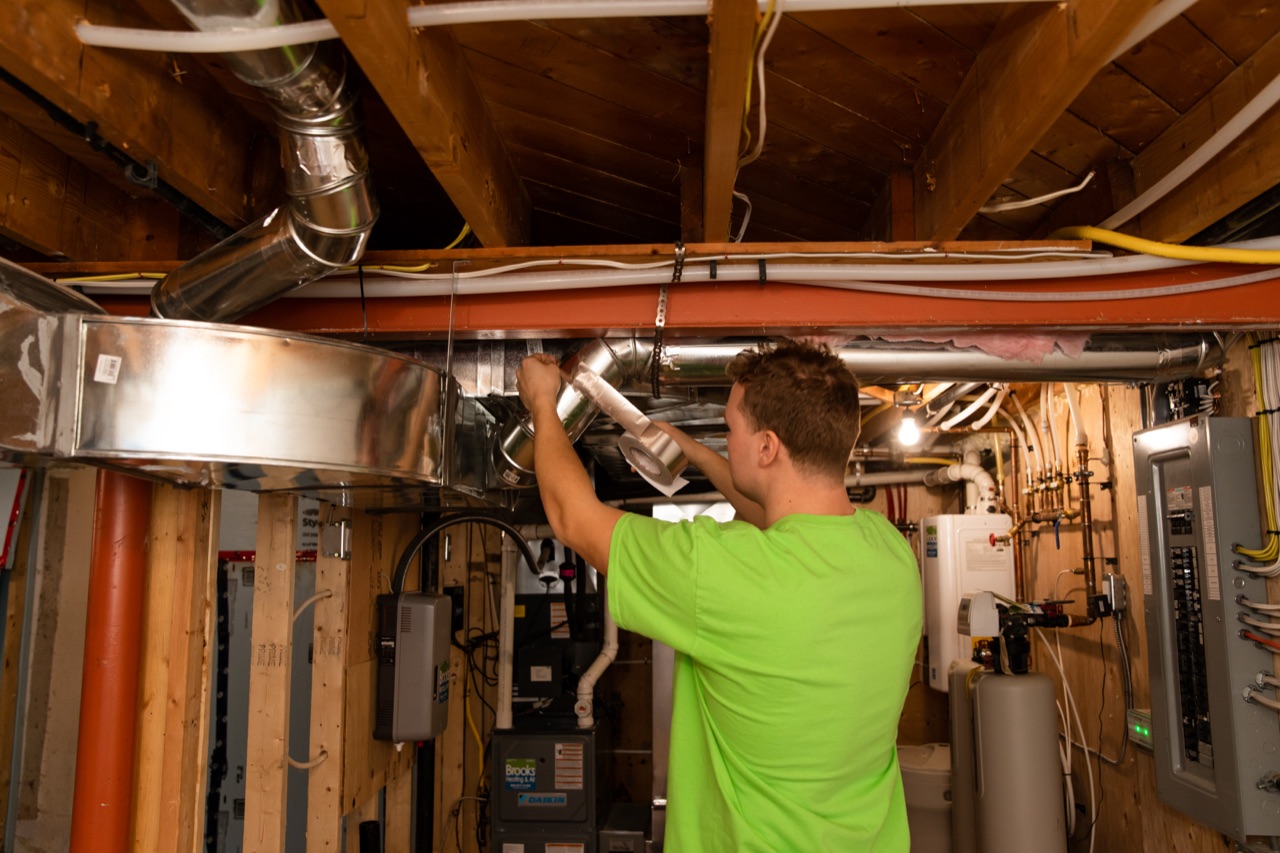
The right home air filter is the one that matches the equipment, fits the rack without bypass, captures the particles you care about, and still allows the designed airflow. A higher MERV number describes better particle removal in a standard test, but it does not prove that a filter suits a particular blower, duct system, or cabinet. Start with the exact dimensions and equipment manual. Inspect the filter’s condition instead of relying on one universal calendar. If compatibility or airflow is uncertain, leave pressure and airflow measurements to a qualified HVAC professional rather than experimenting with increasingly restrictive filters.
Key takeaways
- Match the exact dimensions, depth, and airflow direction before comparing ratings.
- MERV describes particle-capture efficiency, not fit or whole-system compatibility.
- Higher efficiency can reduce airflow in a system that cannot handle the added resistance.
- Replace a filter according to equipment guidance and its actual condition.
- Assign pressure-drop and system-airflow measurements to a qualified professional.
Start with the filter’s job
A central forced-air filter has two related jobs. It helps protect the blower, coil, and other system surfaces from debris, and it can remove some particles from recirculated air. It only filters air that passes through it while the fan is moving air.
That limit matters. A filter does not remove a pollutant source. Most particle filters do not remove gases, carbon monoxide, or radon. A filter also cannot correct a wet basement, an unvented cooking source, an unsafe fuel-burning appliance, or outdoor air entering through major leaks.
Define the concern before shopping. Equipment protection, ordinary household dust, pollen, pet-related particles, and fine smoke particles are different goals. The answer still has to fit the system. Filtration works best as one piece of a broader indoor air quality strategy that also includes source control, suitable ventilation, and normal equipment maintenance.
Decode dimensions before MERV
Residential filter labels commonly show three dimensions, such as width, height, and depth. The order on a brand’s label may not match the way the filter appears in the cabinet, so copy all three numbers and the brand or model rather than relying on memory.
There are also two kinds of size:
- Nominal size is the rounded name used for shopping.
- Actual size is the precise outside measurement of the frame.
Two filters sold under a similar nominal name may have different actual measurements. A filter that is slightly too large may buckle or fail to seat. One that is too small may leave gaps that let air bypass the media. A deep media filter cannot be placed in a shallow rack simply because its first two dimensions match.
Use this order:
- Read the size printed on the existing filter frame.
- Check whether the label gives nominal size, actual size, or both.
- Compare it with the equipment or filter-cabinet manual.
- Note the arrow that shows the required airflow direction.
- Inspect the accessible rack for an even seat and a closed access cover.
Do not force a filter, trim its frame, stack filters, or add makeshift material. If the existing filter is crushed, loose, wet, installed in an inaccessible compartment, or clearly different from the manual, stop and arrange qualified help. Do not open a sealed blower or electrical panel to find it.
Understand what MERV does and does not say
MERV means Minimum Efficiency Reporting Value. ASHRAE Standard 52.2 uses laboratory testing to rate how efficiently a filter removes particles in defined size ranges. For typical mechanical filters, the scale runs from 1 through 16. A higher number indicates greater removal efficiency for the tested particle groups.
MERV is useful for comparing capture performance, but it leaves out several decisions:
- It does not confirm the physical size or seal.
- It does not state that a home’s blower can deliver the required airflow through that filter.
- It does not show how dirty the filter is today.
- It does not tell how much air bypasses around a poor fit.
- It does not make a particle filter effective against gases.
Marketing scales such as a brand’s own performance rating are not automatically interchangeable with MERV. Look for an actual MERV or MERV-A value when that is the rating you need, then confirm the specific product’s dimensions and pressure data.
Why higher efficiency can be the wrong upgrade
Air meets resistance as it passes through a filter. The pressure difference across the filter is called pressure drop. Filter design, face area, media, airflow rate, and dust loading all affect it. Increasing filter efficiency often increases resistance, although the MERV number alone does not reveal the full pressure-drop behaviour of a specific product.
If a blower and duct system cannot handle the added resistance, possible results include lower airflow, less air passing through the filter, leakage around the frame, noisier operation, or mechanical problems. Heating and cooling performance can also suffer when system airflow falls outside the equipment’s requirements.
This is why “buy the highest MERV available” is not a safe rule. Health Canada advises using the highest-efficiency particulate filter the forced-air system can handle without impeding airflow. The equipment manual or a qualified HVAC professional should confirm compatibility. When a home’s filtration needs go beyond what the existing blower and cabinet can support, a dedicated HEPA filter installation is often a safer path than forcing an increasingly restrictive furnace filter into the existing rack.
A professional assessment may include measuring total external static pressure, the pressure drop across the filter, and delivered airflow, then comparing those findings with the equipment data. Those are technical measurements. A homeowner should not insert probes, adjust blower settings, modify ducts, or infer airflow from a tissue held at a grille.
Make fit part of filter efficiency
Air that goes around the frame does not receive the filter’s rated treatment. A snug, correctly oriented filter at a suitable MERV can therefore perform more usefully than a higher-rated filter with gaps or a warped frame.
With the system off as directed by the manual, look only at the accessible filter position. Confirm that:
- the frame is straight and fully seated;
- the arrow points in the direction specified by the manual;
- no obvious gap surrounds the frame;
- the access cover closes normally; and
- the filter is not doubled with another filter unless the system was designed for both.
Do not tape inside equipment or improvise seals without manufacturer instructions. Some filter cabinets use gaskets, clips, or dedicated frames. Missing hardware, a damaged rack, or an unusual return-grille installation needs the correct part or professional correction.
Replace by condition and equipment guidance
There is no reliable replacement interval for every home. Filter depth, media area, fan runtime, equipment design, household activity, outdoor air, renovation dust, pets, pollen, and smoke all change how quickly a filter loads. A calendar can prompt inspection, but condition and manufacturer guidance should decide replacement.
Build a starting routine from the equipment and filter manuals. Inspect at the stated interval, then shorten the observation period when conditions change. Replace a disposable filter when the instructions call for it, when it is visibly loaded or damaged, or when a qualified professional identifies excessive pressure drop. A wet filter needs replacement and an investigation of the moisture source.
Do not wash a disposable filter. For a reusable filter, follow its exact cleaning and drying instructions before reinstalling it. Never reinstall damp media. Record the date and condition so the next inspection is based on evidence from that home.
Visible dirt is useful but incomplete. Some fine particles are hard to see, and a dark filter is not automatically at the end of its useful life. Conversely, a filter may look acceptable while causing too much resistance at the system’s airflow. Repeated fault codes, freezing, overheating, a sharp airflow change, or a whistling filter slot needs service rather than a guess about filter age.
Adjust inspections when household conditions change
Pets can add hair and dander-related particles, but the effect depends on the animal, grooming, floor surfaces, and system runtime. Check the filter more often at first and use the recorded condition to set a sensible routine.
Renovation or sanding dust should be controlled at the source. Isolate work where appropriate, use capture methods suited to the material, and protect equipment according to professional and manufacturer guidance. Do not rely on the HVAC filter as the job-site dust collector.
During pollen or smoke events, close windows when official outdoor-air guidance recommends it and use compatible filtration. Fine smoke particles may load filters faster. Most HVAC filters do not remove smoke gases, so a particle rating is not a complete smoke plan.
For allergy or other health concerns, discuss personal care with a health professional. A filter can reduce some airborne particles, but it is not a treatment and cannot guarantee symptoms will improve.
Create a filter record card
Keep this card beside the equipment manual or as a photo on your phone.
| Field | Record |
|---|---|
| Equipment | Type, make, model, and serial number |
| Filter location | Return grille, external cabinet, or other accessible location |
| Size | Nominal and actual width, height, and depth |
| Rating | MERV or MERV-A, plus the exact product name |
| Direction | Arrow orientation before removal |
| Installed | Date and a clean-filter photo |
| Inspected | Date, visible loading, damage, moisture, odour, and system changes |
| Guidance | Manual interval and any professional compatibility finding |
When changing products, compare the complete record, not only the MERV number. Keep the packaging or product data until the system has operated normally through heating and cooling. If a professional measures airflow or pressure, add the date and approved filter specification without trying to repeat the measurement yourself.
Change an accessible filter safely
Follow the equipment and filter instructions. In general, set the system as directed, allow moving parts to stop, and use only the intended access point. Note the arrow before removing the old filter. Bag a dusty filter without shaking it through the home, seat the replacement evenly, and close the cover.
Stop if the filter is behind a panel with wiring or moving components, if the rack is sharp or damaged, or if you cannot identify the correct shutoff and access method. Internal equipment work is not a routine homeowner filter change.
Frequently asked questions
Is MERV 13 always the best choice for a house?
No. It captures smaller particles more efficiently than lower ratings in the standard test, but the blower, filter area, cabinet, and ducts must handle the specific filter’s resistance. Check the equipment manual and have a qualified professional assess pressure and airflow if compatibility is unclear.
Can I use a one-inch filter in a four-inch cabinet?
Use only sizes and configurations approved for that cabinet. Similar width and height do not make a different depth interchangeable. The wrong depth can seat poorly or bypass air. Confirm the cabinet model and replacement specification before buying.
How often should I replace my furnace filter?
Follow the equipment and filter manufacturers, then adjust inspection based on actual loading and household conditions. Record condition at each check. A fixed monthly or seasonal rule can be too early for one system and too late for another.
Will a better filter remove smoke smells or carbon monoxide?
Most residential particle filters capture particles, not gases. They do not replace source control, outdoor-air guidance, ventilation decisions, or compliant carbon monoxide alarms. A CO alarm requires immediate action according to emergency guidance, not a filter change.
Why did airflow seem weaker after I changed filters?
Possible causes include the wrong size, reversed orientation, a blocked or overly restrictive filter, an access-cover problem, or another system fault. Recheck only the safe items in the manual. If the change persists, have a qualified professional measure airflow and pressure rather than trying several ratings.
Carry the full label into the next decision
Photograph the existing frame, cabinet label, equipment model, and airflow arrow. Compare them with the manuals before buying. If the information conflicts, use Brooks’ Ask Brooks page as a low-pressure starting point, then arrange qualified measurement when the question involves system airflow or compatibility.
Once you’ve picked the right filter and confirmed it fits, the real work is remembering to change it on schedule — see The Annual HVAC Maintenance Planner for a routine that folds filter checks into the rest of your system’s upkeep.