
The Brooks Maintenance Plan Guide
Before you enrol in an HVAC maintenance plan, learn how to compare written tasks, scheduling, service records, limits, and contract terms — and know exactly what to ask Brooks before signing.
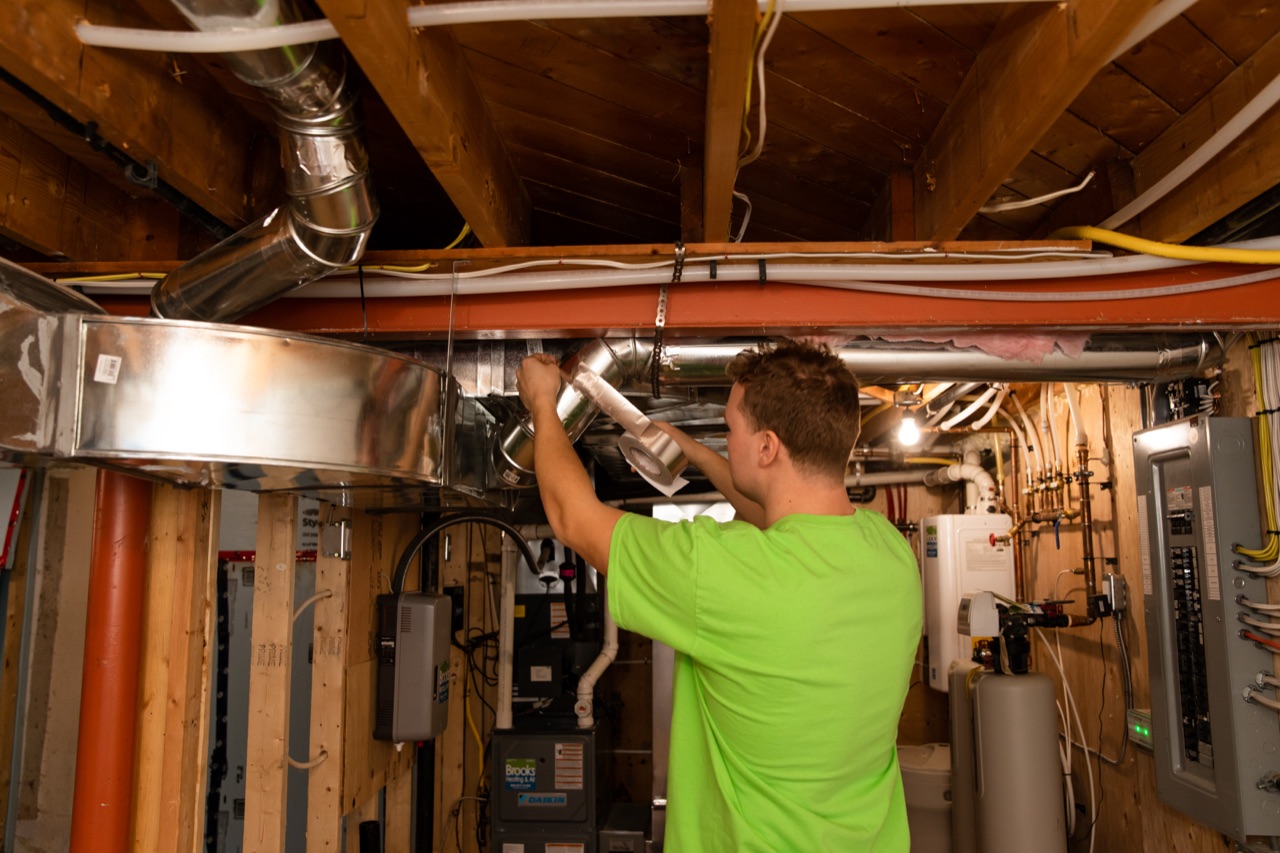
An HVAC maintenance plan is a service contract, not a promise that equipment will never fail. List the systems in your home and read their manuals first. Then compare the plan’s written tasks, schedule, service record, limits, payment, renewal, and cancellation rules. Treat Brooks’ /plans page only as a public overview, not as a complete agreement. Before you enrol, ask Brooks directly for the current written terms and read them from start to finish. Do not assume that words such as tune-up, inspection, or priority mean the same thing in every plan.
Key takeaways
- List every system and check its manual.
- Use the current written terms, not an overview or sales summary.
- Ask what work is done, how visits are booked, and what record you receive.
- Read what is not covered and how extra work needs your written approval.
- Check payment, cancellation, warranty, and licensed-work rules before signing.
Begin with the home, not the plan name
Make a list of the equipment you own before comparing plans. Include heating, cooling, heat-pump, boiler, ventilation, humidity-control, and water-heating equipment. Record the make, model, serial number, location, fuel or energy source, and the maintenance steps in each manual.
One plan name may not fit every setup. A home may have a furnace and air conditioner, a heat pump with backup heat, or a boiler with separate cooling. Some equipment may serve only part of the house. Ask which listed systems the written terms cover.
Mark rented, shared, condo-controlled, or landlord-owned equipment. Confirm who is responsible for its care before you sign anything.
Translate service labels into written tasks
Words such as inspection, tune-up, cleaning, testing, and maintenance do not tell you enough. Ask for the written task list for each type of equipment. Sort the list into four groups:
- Observe: visual condition, operating sequence, noise, leakage, or accessible wear.
- Measure: temperatures, electrical values, pressure, airflow, combustion, or other technical readings where appropriate.
- Maintain: manufacturer-directed cleaning, lubrication, adjustment, or replacement tasks within the technician’s qualifications.
- Report: findings, measurements, problems found, work completed, and next steps.
Not every task belongs in every visit. The right work depends on the equipment, its manual, its condition, and the work the technician’s licence permits. Ask how the task list changes by system type and whether added accessories are separate.
Put the written tasks side by side. A longer list is not always better. Choose clear tasks that match the equipment in the home.
Define access and homeowner responsibilities
Ask what you must do before a visit. Find out how much working space is needed and who moves stored items. Ask what happens when equipment is in an attic, crawlspace, or hard-to-reach outdoor area. Mention pets, locks, tenant notice, parking, gates, and rural access before booking.
Ask which records to provide. Keep manuals, earlier service reports, warranty papers, filter details, and recent fault messages together.
Do not create unsafe access for a plan visit. Water, electrical damage, unsafe ladders, tight spaces, damaged platforms, or suspect building materials may require another qualified trade first.
Make scheduling language specific
The written terms should explain how a visit is booked. Ask:
- Who starts the booking process?
- Do you request the visit, does the provider remind you, or is a date assigned?
- What appointment windows apply?
- What happens if weather, an emergency call, unsafe access, or parts availability affects the date?
- How are missed or rescheduled appointments handled?
- What happens if a listed visit is not used?
Do not guess the visit schedule from the plan’s name. Compare the written schedule with the equipment manual and any warranty rule. If the plan says “seasonal,” ask which season, system, and tasks it means. For the full seasonal task list a plan is meant to cover, see the annual maintenance planner.
A maintenance visit is not an emergency response. Ask how no-heat, no-cooling, leaks, alarms, and safety events are handled outside the plan.
Ask what priority means before relying on it
When an option uses the words “priority service,” ask for the meaning in writing:
- Does it change the order of calls or the appointment time offered?
- Does it apply to maintenance, repair, emergency calls, or only certain request types?
- Are there limits based on location, weather, staffing, equipment, or business hours?
- Is any stated response time a goal or a firm promise?
- What happens during widespread extreme-weather demand?
Do not read “priority” as “immediate” unless the written terms say that. Keep a separate emergency plan for unsafe temperatures, medical needs, water leaks, carbon monoxide alarms, and suspected fuel leaks.
Require useful documentation
A visit report should show what was checked, what was not checked, what work was done, and what needs attention. Before you enrol, ask to see a sample with personal details removed. Check whether it separates:
- inspected from not accessible;
- passed from not tested;
- measured value from visual check;
- maintenance completed from repair recommended;
- a current problem from something to watch; and
- safety issue from optional improvement.
Ask whether the report can show model and serial numbers, filter details, fault history, measurements, photos, and notes when they matter. Checkmarks alone may not explain the equipment’s condition.
Keep each report with invoices, manuals, and warranty papers. Records show what changed over time, but they do not promise a future result or explain a new fault by themselves.
Read limitations before benefits
Find the section that says what is not covered. Look for limits on equipment types, added parts, labour, fault finding, and cleaning. Also check hard access, after-hours work, travel, rentals, shared systems, unsafe conditions, and existing problems.
Limits are not always bad, but they must be clear. Ask how extra work is priced and confirm that it needs your written approval before it starts. A problem found during maintenance is not automatic approval for a repair or replacement.
If the terms mention filters, humidifier pads, batteries, or other replaceable items, ask what that means. Does the visit only check the item? Is a standard item supplied? Will the technician install one you provide? Do not assume an unusual product or size is part of the plan.
Separate maintenance from repair and warranty
Maintenance is planned care. Repair fixes a fault. Replacement changes equipment. The written terms should keep those jobs separate.
Ask whether fault finding is part of the visit when a system is not working normally. Ask whether you receive a written estimate before repair work and how written approval is recorded. You should be able to review extra work before deciding.
Do not assume that joining a plan creates, extends, keeps, or replaces a parts, labour, installer, or manufacturer warranty. Read the warranty itself. Ask the plan provider to point to any warranty statement in writing and check it with the warranty provider.
Review payment, renewal, and cancellation as one section
Write down the total price, payment date, taxes, renewal steps, and notice of price changes. Record the cancellation steps and any charge when the plan ends. Ask what happens to a booked visit after cancellation and how to raise a billing problem.
Ontario says contract rights and required details can depend on the agreement and how it was made. Read the current provincial contract and cancellation guidance. Keep the contract, later changes, notices, receipts, and cancellation messages. Use a consumer or legal service for a contract dispute.
If a verbal promise is missing from the written terms, ask for a written change before signing.
Verify who may perform regulated work
In Ontario, fuel work must be done by appropriately certified fuels technicians working for a TSSA-registered contractor. The TSSA registry confirms that the business is registered. It is not an endorsement.
Electrical, refrigerant, combustion, gas, oil, and propane work must stay within the worker’s training, certificate, and licence. Ask who does each task and how to check their credentials. A plan does not expand the work a licence permits.
If a carbon monoxide alarm sounds, leave and call emergency services from a safe place. Do the same for a suspected natural-gas or propane leak, and call the fuel supplier. Do not wait for a plan visit.
Use a plan comparison record
Complete one record for each option using only written information.
| Decision area | Evidence to record |
|---|---|
| Eligible systems | Exact equipment types, accessories, ownership, and address |
| Service scope | Observe, measure, maintain, and report tasks by system |
| Scheduling | Booking method, timing language, rescheduling, and unused service |
| Priority | Exact definition, applicable request types, and stated limits |
| Visit record | Sample report, measurements, photos, problems found, and next steps |
| Limits | Work, materials, access, times, systems, and conditions not covered |
| Extra work | Estimate and written approval before repair or replacement |
| Contract | Payment, renewal, changes, cancellation, and record retention |
| Qualifications | Required licences, registrations, and work the licence permits |
Mark each row clear, needs a written answer, or not suitable. Leave it blank when the current written terms do not answer it. Do not copy an answer from another plan or an old page.
Decide what organization is worth to you
Compare the plan with booking service only when needed. Think about how many systems need care, whether reminders and records matter to you, and how much choice you want over timing.
Some households value one contract and one record. Others prefer separate visits. Choose the option whose current written terms match the home.
Read the terms again when equipment, ownership, address, or household needs change.
Frequently asked questions
Does a maintenance plan prevent breakdowns?
No plan can guarantee that equipment will not fail. A visit may find a problem, but parts and systems can still develop new faults. Read the written tasks and keep a separate emergency plan.
Is a tune-up the same as a complete inspection?
Not always. These labels can mean different work. Ask for the written checklist for the exact equipment and confirm which checks, measurements, maintenance steps, and report details apply.
What should a maintenance visit report contain?
Look for equipment details, items checked or not reached, work done, measurements when needed, problems found, safety concerns, and next steps. Ask for a sample before you enrol.
Does priority service mean an immediate appointment?
Only the current written terms can answer that. Ask which calls qualify, what timing is stated, and what limits apply during severe weather or high demand. Keep a separate urgent-safety plan.
Can a plan require me to approve a recommended repair?
Read the agreement. Ask for the problem in writing and a written estimate. Confirm that extra work cannot start without the written approval required by the contract and Ontario rules.
Read the current terms with the record beside you
Before you enrol, start with the current plan page, which lists exactly what’s included — treat it as a public overview only, not the full agreement. Ask Brooks directly for the current written terms and fill in the checklist above from that document. Leave any unanswered row blank until Brooks gives you a written answer.
Take the next step
Once you’ve worked through this checklist and know what to ask, the Brooks team can walk you through the specifics for your home. call 289-224-1293 to speak with a technician, review the current plan options and pricing for exact details, or have a question first?