
The Honest Homeowner's Guide to HVAC
Learn how to evaluate HVAC advice in Ontario by separating true urgency from sales pressure, checking evidence and credentials, and requiring a written scope before you sign. This guide also covers change orders, warranties, financing terms, and when a second opinion makes sense.
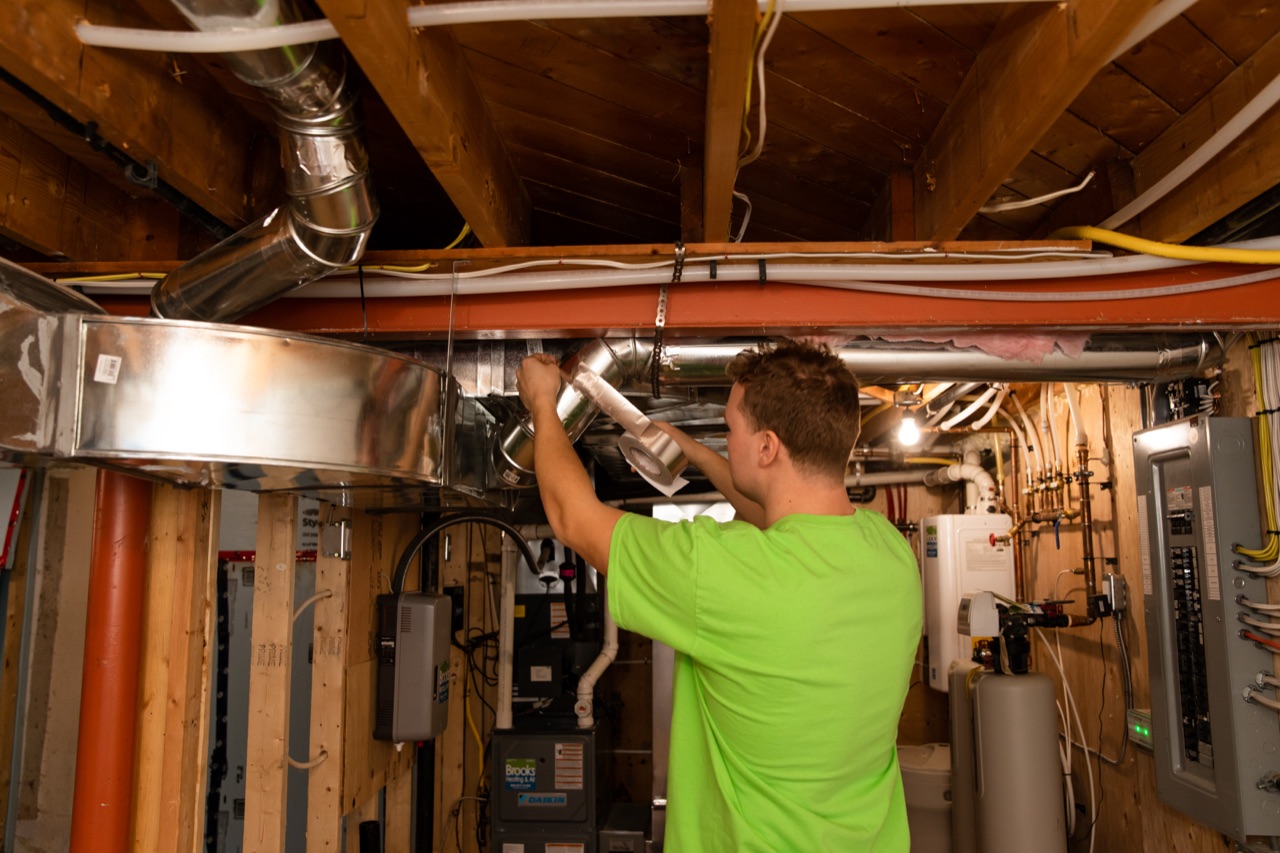
Trustworthy HVAC advice gives you room to understand the problem, see the evidence, compare safe options, and read the full written scope before agreeing. Pressure is not proof. Ask what was observed, what was measured, why it matters, which options are reasonable, and what each option includes. Then verify the business and any regulated work through the correct Ontario source. Use a second opinion for a stable repair, replacement, or contract choice. Do not use one to delay an emergency. Leave for a gas or propane odour, a carbon monoxide alarm, fire, or smoke. Stay away from sparking and water near equipment that may still be energized.
Key takeaways
- Separate a true safety response from a sales deadline.
- Ask for house-specific evidence, not only a confident conclusion.
- Verify credentials against the exact fuel, electrical, or trade work proposed.
- Put scope, price, changes, financing, and warranty statements in writing.
- Use another qualified opinion only after an active hazard is in safe hands.
Sort the moment before judging the offer
A calm decision begins by naming the lane.
Red lane: leave and call. A CO alarm, suspected natural-gas or propane leak, fire, or smoke requires emergency help. Stay away from active sparking, a downed line, and water close to energized equipment. Do not search for a source, operate a switch, use a phone inside a suspected fuel leak, or wait for another sales visit.
Yellow lane: protect the home and stabilize. A loss of heating or cooling may need prompt qualified service. The same is true for an ordinary fault, failed part, or contained leak away from electricity. Use a safe alternate location when indoor temperature is unsafe. Ask what temporary action is allowed, but do not bypass a control or improvise combustion heat.
Green lane: review the decision. No one is in danger, and the system is stable or safely off. There is time to read the diagnosis, scope, contract, warranty, and financing. This is where comparison and a second opinion belong.
Urgency can be real without making every recommendation an emergency. Ask the person raising the concern to state which lane applies and why.
Recognize pressure without guessing intent
You do not need to accuse a person or company to slow down. Notice the behaviour and ask for proof.
- A deadline exists only in conversation. Ask for the reason, exact end time, and written term. Parts availability or weather may affect timing, but neither proves that a price must be accepted immediately.
- The conclusion arrives before the evidence. Ask what was inspected or measured and request the result in plain language.
- Only one option is discussed. Ask whether repair, monitoring, a smaller correction, or another system approach is safe and reasonable.
- A monthly payment replaces the total. Ask for the cash price and complete borrowing disclosure before comparing affordability.
- A badge or licence is used broadly. Check whether it applies to the specific business, person, and work.
- A verbal promise is said to be standard. Ask where it appears in the estimate, contract, or warranty.
- A free inspection turns into an immediate in-home sale. Stop and review Ontario’s rules before signing.
These signs do not prove fraud. They show where a homeowner needs clearer evidence.
Use the claim-to-proof ladder
For each important claim, move down this ladder until the evidence fits the size of the decision.
| Level | What you have | What to request next |
|---|---|---|
| 1. Statement | “This part is bad” or “this offer ends today” | The observation, measurement, written term, or source |
| 2. Job evidence | Photo, code, reading, test result, or damaged part | Meaning, limits, and connection to this home’s problem |
| 3. Options | Repair, monitor, improve, or replace with tradeoffs | Scope, risk, timing, and reason an option is ruled out |
| 4. Public check | Registry entry, permit answer, or regulator guidance | Confirmation that it covers the proposed work |
| 5. Written duty | Signed scope, change, financing disclosure, or warranty | Who is responsible, what is excluded, and the remedy |
Add a final line: What would change this conclusion? An honest explanation should allow for new evidence. If no reasonable finding could change the recommendation, the advice may be a position rather than a diagnosis.
Ask for an estimate that tells a coherent story
A useful estimate links six items:
- Concern: the homeowner’s actual problem or goal
- Finding: visible evidence, measurements, fault history, and limits of the visit
- Meaning: why the finding matters now, later, or only under certain conditions
- Options: safe choices and why any choice is not suitable
- Scope: labour, equipment, materials, controls, related trades, cleanup, and exclusions
- Terms: total, payment timing, changes, schedule, cancellation, and warranties
The finding and recommendation should not blur together. “The heat exchanger was not fully assessed” is different from “the heat exchanger failed.” “The system is old” is not, by itself, proof that replacement is the only sensible choice. Age can affect risk and planning, but current condition, safety, repair history, system fit, and ownership plans still matter. If repair versus replacement is the central question for your home, Brooks’ repair-or-replace decision guide walks through that comparison in more depth.
Ask for uncertainty to be written too. Access limits, an intermittent fault, a test that could not be completed, or another trade’s pending review may prevent a final answer. A clear limit is more trustworthy than invented certainty.
Verify the work, not a general image
Ontario does not have one broad “HVAC licence” that proves every possible task. Match each regulated part to its source.
For fuels-related work, check the business in TSSA’s public contractor registry. TSSA states that registered fuels contractors are the only businesses legally authorized to do that work in Ontario. A listing is not an endorsement, and the people doing regulated fuel work need the certifications that fit their tasks.
For electrical contracting, ESA says the business hired to do electrical work must be a Licensed Electrical Contractor. It should have a seven-digit ECRA/ESA licence number. HVAC-related exemptions can be narrow and qualification-based, so ask ESA when the responsibility is unclear. Never agree to file an ESA notification in your own name for someone else’s electrical work.
A municipal building-permit answer also depends on the project. Ask the building department about the actual address, equipment, fuel, location, and related construction. A permit does not replace trade credentials, and a registry does not decide permit needs.
Reviews, referrals, uniforms, vehicle graphics, and years in business may provide context — reading a contractor’s own customer reviews is one reasonable starting point. They are not substitutes for a current registry, written evidence, and a contract that names the work.
Keep the written scope stronger than the pitch
Ontario’s home-renovation guidance says contracts over $50 must be written. It recommends a detailed project description, materials, warranties, total cost, payment terms, schedule, cleanup, and subcontracted work. The contract total usually stays within the estimate plus 10 per cent. You must sign before added work or a different price can take it higher.
Treat a change order as a new decision. It should state the newly discovered condition, revised work, added or removed price, schedule effect, and any impact on equipment selection or warranty. Sign before the changed work begins. A photo of a problem does not authorize an open-ended repair.
If you sign a qualifying home renovation or repair agreement worth at least $50 in your home, Ontario describes a 10-calendar-day cooling-off period. Work or materials requested during that period can affect what you owe after cancellation. Use the current provincial guidance or legal advice for your exact contract rather than relying on a salesperson’s summary.
Apply Ontario’s door-to-door rule
Ontario restricts in-home sales of furnaces, air conditioners, air cleaners, water heaters, duct cleaning, and listed related products. In general, you must start the contact and invite the business to your home for the purpose of entering that contract. The provincial page lists exceptions, including some visits under an existing agreement.
Calling for repair, maintenance, or an energy assessment is not the same as inviting a new in-home equipment sale. Ontario says a visitor in that situation may leave information but cannot enter a new restricted-product contract with you.
You do not have to settle a legal question at the door. Decline to sign, keep personal and utility information private, ask the visitor to leave, and check Consumer Protection Ontario’s current page. If you feel unsafe, call local police.
Test warranty, savings, and financing language
For a warranty, ask who provides it and get the actual document. Separate equipment parts, labour, installation, and any optional coverage. Record start date, length, registration, maintenance, transfer, exclusions, claim steps, and charges. The Competition Bureau says federal law bars misleading warranty claims and promises with no reasonable chance of fulfilment. That does not turn a broad sales phrase into broad coverage.
For a performance or savings claim, ask for the calculation and assumptions that apply to the proposed equipment and this home. A rating, another customer’s result, or a general percentage does not predict a household bill.
For financing, place the cash price beside the amount financed and total payments. Read the rate and APR where supplied. Check the term, payment timing, all charges, added products, collateral, missed-payment terms, and whether early payoff costs extra. FCAC disclosure rights cited for federally regulated institutions do not describe every possible lender. Approval says only that credit was offered under stated conditions. It is not proof of value, savings, or fit. For a broader walkthrough of financing, warranties, and equipment comparisons side by side, see Brooks’ HVAC buyer’s playbook.
Use a second opinion with a complete packet
A useful second reviewer receives the original concern, equipment details, fault codes, photos taken safely, findings, measurements, estimate, proposed model, and questions that remain. Ask the reviewer to identify what they could confirm, what still needs testing, and which safe options deserve consideration. If you would like that independent read, you can request a free second opinion before agreeing to major work.
Do not ask only, “Is this company honest?” Ask technical and document questions:
- Does the evidence support the stated failure?
- Is another safe repair or diagnostic step reasonable?
- Does the scope address the finding?
- Which claim cannot be checked from the material provided?
- What would make the recommendation change?
Another opinion may agree with the first. Its value is independent reasoning, not a guaranteed lower price or different answer.
Keep a calm-decision card
Write one page with the date, lane, concern, evidence, options, missing proof, deadline source, credentials checked, contract version, and next action. Note who said what without adding motive. Save screenshots or documents as received.
If a dispute develops, keep the estimate, contract, changes, invoices, financing agreement, warranty, messages, and proof of payment. Consumer Protection Ontario provides complaint routes and a Consumer Beware List. Those tools support a fact-based next step; they are not a place to make an unsupported public accusation.
Frequently asked questions
Is a same-day HVAC recommendation always high pressure?
No. A safety defect, failed heat during cold weather, or confirmed part problem may need prompt action. The test is whether the urgency, evidence, safe options, and timing are explained. Immediate danger still goes straight to emergency or utility help.
Can an HVAC company sell me a furnace during a repair visit?
Ontario generally bars an in-home sale of a restricted product unless you asked the business to visit for that contract. The official page lists exceptions. A repair request alone is not that invitation, so check the current rule for the situation.
Does a TSSA registry result prove a contractor is good?
No. It confirms that the business is registered for fuels work shown by the registry. TSSA says the result is not an endorsement or referral. Still review evidence, written scope, applicable credentials, and contract terms.
Should I sign so a price does not disappear?
Not until the deadline and terms are written and you understand the full scope. Compare the price with exclusions, changes, financing, and warranty. A verbal countdown is not enough evidence for a major decision.
When is a second opinion appropriate?
Use it after the scene is safe for a stable diagnosis, repair-versus-replacement choice, estimate, or contract concern. Do not wait for one during a suspected fuel leak, CO alarm, fire, smoke, sparking, or water beside energized equipment.
Knowing what to watch for is half the battle — see how a transparent, evidence-based process should actually work in The Brooks Home Comfort Blueprint.
Verify the identity before the promise
Use the ladder on Brooks’ About page. Note the business identity and stated service focus. Then confirm any regulated credential through the proper Ontario registry. That quiet check is a better next step than deciding from confidence alone.