
The Ontario Homeowner's HVAC System Guide
A plain-language guide to how your Ontario home's HVAC equipment, controls, ducts, filters, and drains work together — so you know what to check yourself and when a repair truly needs a professional.
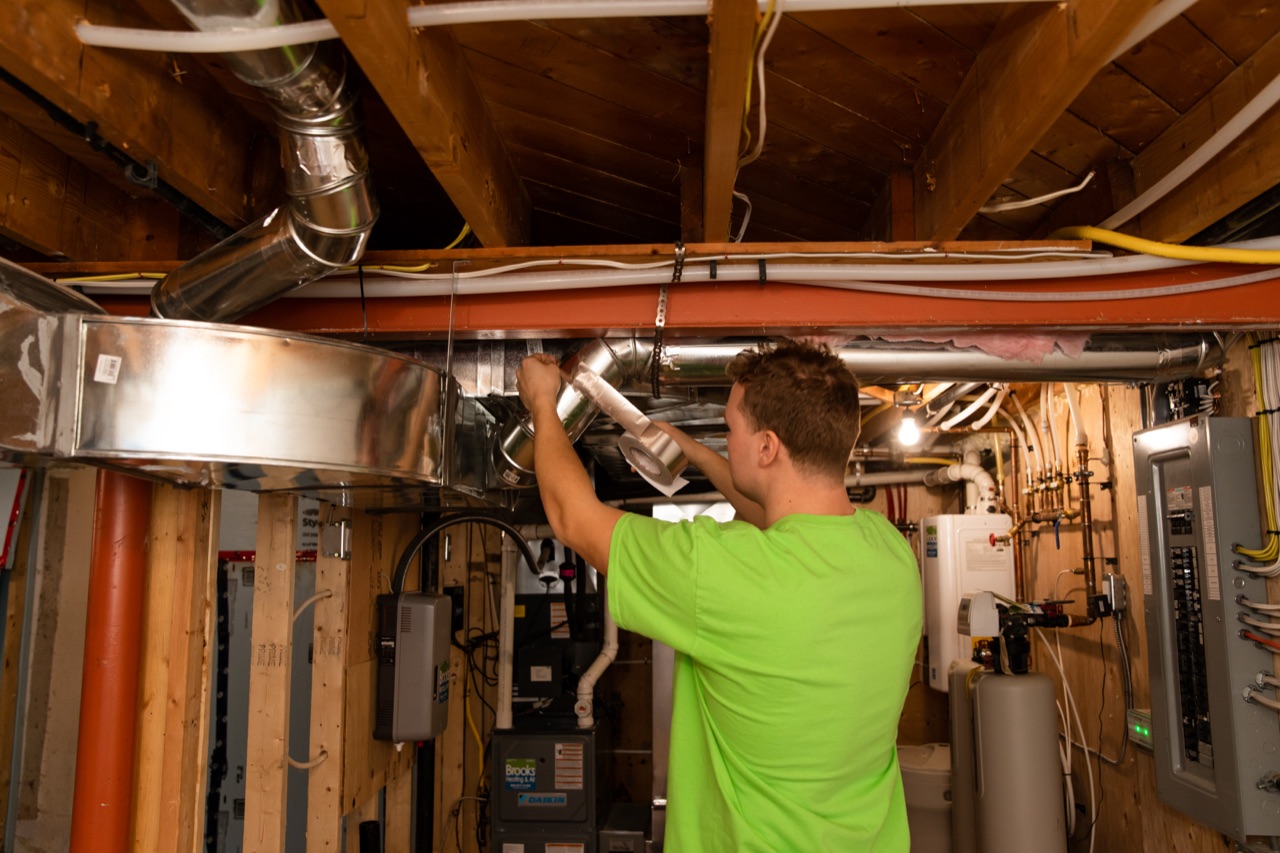
Your home’s HVAC system is a chain of equipment, controls, airflow paths, and safety devices. The thermostat starts a call, the heating or cooling equipment changes the air temperature, and a blower and ducts distribute that air in a forced-air home. Other homes use a boiler and water-based distribution instead. Filters, drains, vents, and outdoor equipment also need the right conditions to work. You do not need to become a technician, but knowing each part’s job helps you describe problems, complete safe upkeep, and avoid treating every fault as a reason to replace the system.
Key takeaways
- Learn which equipment serves each part of the home and which fuel or power source it uses.
- Keep controls, filters, registers, returns, drains, vents, and outdoor clearances in view.
- Use equipment manuals and service records instead of universal maintenance rules.
- Leave refrigerant, electrical, combustion, gas, and internal equipment work to qualified people.
- Judge system age with condition and repair evidence, not a fixed expiry date.
Think of HVAC as one working loop
HVAC means heating, ventilation, and air conditioning. In everyday use, the term often includes the controls and distribution that make those functions useful.
A typical forced-air heating call follows a simple sequence. The thermostat asks for heat. The heating equipment starts only after its controls confirm safe conditions. The blower moves air across a heat exchanger or indoor coil. Supply ducts carry conditioned air to rooms. Return paths bring room air back through the filter so the cycle can continue.
Cooling uses many of the same indoor parts. A central air conditioner moves heat from indoor air to the outdoor unit. An air-source heat pump can move heat in either direction, providing cooling and heating. Natural Resources Canada describes a heat pump as an electrically driven device that transfers thermal energy between a lower-temperature place and a higher-temperature place.
A hydronic system works differently. A boiler heats water, and pumps move it through radiators, baseboards, in-floor tubing, or fan coils. It may have zones and thermostats without having a central air duct system.
Know the main parts in your home
Not every home has every part. Make a simple equipment map that includes these items where present:
- Thermostat or zone control: sends a heating, cooling, or fan request.
- Furnace or air handler: houses heating parts, a blower, or both.
- Indoor cooling or heat-pump coil: exchanges heat with the air moving through it.
- Outdoor unit: releases or collects heat through a coil, fan, compressor, and controls.
- Boiler and pumps: heat and circulate water in a hydronic system.
- Supply ducts or pipes: carry heated or cooled air or water outward.
- Return ducts: bring air back in a forced-air system.
- Filter: captures some particles before return air reaches indoor equipment.
- Condensate drain: carries water away when cooling or high-efficiency equipment creates it.
- Fuel vent or chimney: carries combustion products outdoors where fuel-burning equipment requires it.
- Electrical disconnects and breakers: provide protected power and a service shutoff.
Record model and serial numbers from labels without removing panels. Note which breaker, fuel shutoff, filter size, and thermostat serve each system. Keep manuals and invoices together.
Controls tell equipment when and how to run
The thermostat is a control, not the whole system. It measures conditions near its location and sends calls based on its settings. Direct sun, a nearby supply register, an exterior door, or a changed schedule can create misleading behaviour.
Common thermostat modes are heat, cool, off, and sometimes emergency or auxiliary heat. The fan setting usually offers auto and on. Auto runs the blower with a normal heating or cooling call. On may run it more often, which changes electricity use and how frequently air passes through the filter.
Multi-stage and variable-capacity equipment can use lower output when the load is modest and higher output when needed. The thermostat and equipment controls must be configured to work together. Do not change installer settings based on a generic online video.
Safety switches and sensors may stop operation when they detect an unsafe or damaging condition. Repeatedly resetting a breaker, bypassing a switch, or forcing a system to run can turn a fault into a larger risk. One normal reset described in the manual is different from a breaker that trips again.
Ducts are part of the system, not empty space
Supply ducts need to deliver enough air to each room. Return ducts need to bring air back with a manageable pressure drop. The blower, indoor coil, filter, registers, and ducts all affect the same airflow.
Visible homeowner checks are useful. Keep supply registers and return grilles open and clear. Make sure the filter fits its rack. Look for an accessible duct joint that has come apart. Notice rooms that change when a door closes.
Some issues require measurement. A technician can check static pressure, temperature change across equipment, blower settings, duct leakage, and room delivery. Closing registers at random is not a reliable balancing method. It can increase pressure and noise while reducing total airflow.
Hydronic distribution has different checks. Watch for uneven heating, leaks, unusual pump noise, and a zone that does not respond. Do not bleed, drain, or refill a system unless its instructions and condition make that homeowner task appropriate.
Learn the terms that help you ask better questions
- Capacity: how much heating or cooling equipment can deliver under stated conditions. It is not the same as efficiency.
- Load: the heating or cooling the home needs at a given condition.
- Airflow: the volume of air moving through the system and rooms.
- Static pressure: resistance the blower works against in a duct system.
- Setpoint: the target entered at the thermostat.
- Stage: one available level of equipment output.
- Variable capacity: equipment that can adjust output across a wider range.
- AFUE: a seasonal measure of furnace fuel efficiency. Natural Resources Canada notes that AFUE does not include electricity used by controls, fans, or pumps.
- SEER: a seasonal cooling-efficiency measure used to compare similar air conditioners or heat pumps.
- HSPF: a seasonal heating-performance measure for heat pumps.
- MERV: a filter rating related to particle capture, not a guarantee of system compatibility.
- Commissioning: checks and adjustments that confirm installed equipment operates as designed.
These terms help you separate a larger unit from a better fit, and a higher label rating from lower total operating cost in one specific home.
Understand the system through the seasons
In spring, a cooling system may start after months of little use. In fall, heating equipment and fuel venting return to regular duty. Shoulder seasons can include short calls and changing thermostat modes. Winter adds snow, ice, colder outdoor temperatures, and longer heating loads. Summer adds heat and indoor moisture.
Mode changes should be calm and simple. Confirm the thermostat setting, replace or clean a filter when its instructions call for it, and check that vents and outdoor equipment are clear. Do not cover an operating outdoor heat-pump unit. Do not chip ice from a coil with tools.
Water near indoor equipment deserves attention. Cooling coils create condensate during normal operation, but water outside the intended drain path can damage finishes or signal a blockage, failed pump, frozen coil, or other problem. Turn the system off if continued operation is causing water damage and arrange an assessment.
Equipment lifecycle is not a countdown
Every system moves through a lifecycle, but a calendar alone cannot describe its condition.
Early service life should establish correct setup, manuals, warranty documents, filter details, and a clear record of commissioning and maintenance.
Middle service life is about routine care and trends. Track new sounds, longer or shorter cycles, comfort changes, water, odours, and repair history. A dirty filter or loose connection does not mean the system is finished.
Later service life calls for planning. Parts availability, safety, repeated repairs, efficiency, comfort, and the length of time you expect to own the home all matter. A safe repair can still be the sensible choice. Replacement becomes worth comparing when evidence shows the existing system is unreliable, unsafe, badly matched, or costly to keep repairing.
Avoid using a generic lifespan range as an automatic sales deadline. Ask what has failed, what a repair would restore, and what would remain unchanged.
Homeowner responsibilities
A homeowner can support the system without opening sealed or hazardous areas:
- Read the equipment and thermostat manuals.
- Check the filter regularly and service it when the instructions or actual condition require.
- Keep supply registers, return grilles, and indoor equipment access clear.
- Keep leaves, plants, snow, and stored items away from outdoor equipment and vents, following the manufacturer’s clearance instructions.
- Use bathroom and kitchen exhaust fans that vent outdoors.
- Watch condensate lines and nearby floors for water.
- Test smoke and carbon monoxide alarms and replace them as directed by their manufacturer.
- Keep a dated record of maintenance, repairs, settings, and unusual behaviour.
Public health guidance says to use the highest-efficiency particulate filter a forced-air system can handle without impeding airflow. It also warns that a higher MERV filter can reduce airflow or allow bypass when the choice or fit is wrong. Check the manual or ask an HVAC professional before upgrading.
Work that needs a qualified professional
Refrigerant circuits, line-voltage electrical work, gas piping, combustion setup, fuel venting, heat exchangers, internal controls, and sealed equipment are not homeowner maintenance.
For fuel-fired equipment in Ontario, registration and certification are safety basics. TSSA states that registered fuels contractors are the businesses legally authorized to perform fuels-related work in Ontario. Its registry can verify registration, but TSSA says a listing is not an endorsement or referral.
A professional visit should produce useful findings, not only a product recommendation. Ask what was inspected, what was measured, which fault was found, what is safe to operate, and what options exist. If the recommendation is replacement, ask whether a safe repair was considered and what problem replacement would solve.
Build a useful home HVAC record
Create one page for each system:
- equipment type, location, model, and serial number
- fuel or electrical supply
- thermostat and zones served
- filter size and approved type
- known shutoffs and breakers
- installation and service documents
- maintenance dates and measured findings
- repair dates, parts, and costs
- comfort complaints and when they occur
This record helps a technician see patterns and reduces repeated guesswork. It also helps you explain the system to a future homeowner without making unsupported claims about condition.
Georgetown and Halton Hills considerations
Homes in Georgetown and Halton Hills include different ages, layouts, additions, and heating arrangements. A finished basement may share one forced-air system with upper rooms. An addition may have separate equipment. Some properties may combine fuel-fired heat with electric cooling or heat-pump equipment.
Local winter and summer conditions make both heating and cooling operation important, but location does not decide system condition. Start with the actual equipment, home envelope, distribution, and records.
Frequently asked questions
Is the furnace filter also used during air conditioning?
Usually, yes, when central cooling shares the furnace blower and return duct. Air passes through the same filter before reaching the indoor cooling coil. Confirm the layout in your manual because some homes have separate systems or more than one filter location.
Why does the outdoor unit run in winter?
It may be a heat pump collecting heat from outdoor air. A central air conditioner normally does not provide winter heating. Check the equipment label and thermostat mode. If you are unsure what is installed, do not shut it off only because the weather is cold.
How often should I replace my HVAC filter?
Use the equipment and filter instructions, then check actual loading. Filter type, fan runtime, renovations, pets, and indoor conditions can change the interval. Replace a loaded filter before it restricts airflow, but do not install a denser filter without confirming compatibility.
What information should I give a technician?
Share the system model, thermostat settings, exact symptom, time and weather pattern, recent changes, and service history. Photos of thermostat messages or water can help. Avoid clearing fault messages repeatedly before the visit because they may be useful evidence.
Does an old system have to be replaced?
No. Age helps with planning, but condition, safety, repair history, parts, comfort, and fit matter more. Ask for the failed part and repair option. Replace when the evidence supports it, not because a generic age range has passed.
Keep your next step simple
Write down what the system does, when it happens, and any thermostat message. Use the Brooks Learning Centre to check the basics at your own pace. You can also browse home-comfort services or read the current maintenance plan details before deciding what kind of help you need. Once you understand how your system’s major components work together, you’re ready to weigh whether an aging part is worth repairing — see Repair or Replace: The Complete Decision Guide for a step-by-step framework. Bring your notes so the next conversation starts with evidence, not guesswork.