
The Healthy Home Comfort Guide
A prioritized household routine for Ontario homeowners: what to act on immediately (alarms, fuel leaks, active leaks), what to test correctly (radon), and what to simply observe over time.
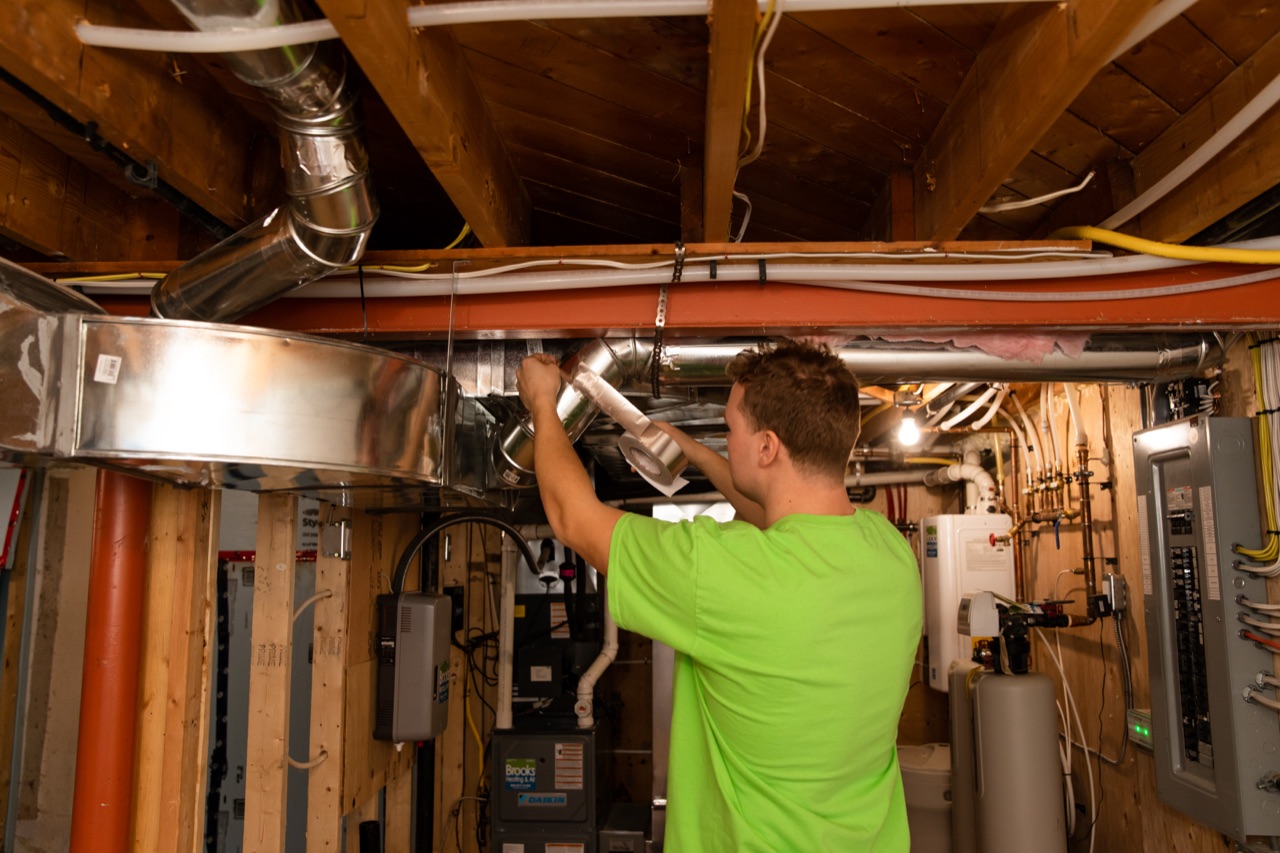
A healthy-home routine should answer what must happen now, what should be corrected today, and what can be observed without delay or guesswork. Leave immediately for a carbon monoxide alarm or suspected fuel leak. Keep people away from water near electrical equipment. Stop active leaks and pollutant sources, then deal with damp materials. Test for radon in the correct lived-in room and maintain required alarms. Only after urgent and invisible risks are covered should you log a recurring comfort pattern. This guide is a household triage routine, not an equipment, filter, monitor, or purification buying guide.
Key takeaways
- Leave first for alarms, suspected fuel leaks, fire, or another immediate hazard.
- Stop active water and pollutant sources before treating a room or symptom.
- Dry and clean only within current public guidance and household ability.
- Put radon tests in the correct lived-in room and keep compliant alarms working.
- Log only non-emergency patterns, then call the professional who owns the problem.
Use the source, pathway, signal, response method
Indoor conditions change because something creates a problem, a pathway moves it, and a signal shows that action may be needed. A leak, fuel-burning appliance, cleaning product, or outdoor event can be a source. A door, stairwell, crack, drain, or air path can move it. Water, odour, soot, condensation, an alarm, or a repeatable room pattern can be a signal.
Work in this order:
- Source: What activity, material, appliance, leak, soil gas, or outdoor event could be involved?
- Pathway: How could it enter or move through the occupied space?
- Signal: Is it an emergency alarm, active damage, invisible risk, or non-urgent pattern?
- Response: Leave, stop the source, protect the area, test correctly, or call the right professional.
Do not move to observation when the signal calls for evacuation or immediate safety help.
Priority 1: leave or call now
A carbon monoxide alarm is an emergency signal. Get everyone outside immediately, call 911 or local emergency services from outside, and do not re-enter until emergency responders say it is safe.
If natural gas or propane is suspected, leave without using switches, appliances, a garage-door opener, flame, or a phone inside. Call 911 and the fuel supplier from a safe location. Do not approach equipment or delay evacuation to find a shutoff.
Keep people away from floodwater or active water near electrical equipment. Do not enter to turn equipment off. Call emergency services or the utility when the situation is urgent and use a licensed electrician for electrical damage.
Smoke, fire, a strong burning smell, sparking, or another immediate danger also bypasses the normal walk-through. Follow the alarm, emergency, utility, and manufacturer instructions for that event.
Priority 2: stop an active source today
Once there is no immediate danger, stop what is adding water or pollutants if it is safe to do so. Examples include turning off a user-operated tap, stopping an activity that creates heavy fumes, closing the door from an attached garage, or moving labelled chemicals out of occupied space as their instructions direct.
Use the exterior-vented range hood for cooking and the bathroom fan for bathing. Open windows only when outdoor conditions and household safety permit. If the source involves a fuel appliance, hidden leak, wiring, sewage, or building damage, stop at the safe boundary and call the proper trade.
Write down what happened, when it started, and what safe action stopped or reduced it. That record is more useful than trying several products at once.
Priority 3: control dampness and damaged material
Water can enter through a roof, wall, foundation, plumbing leak, or flood. Cooking, bathing, and laundry also add moisture indoors. Find the source before deciding how to dry or clean the area.
Health Canada recommends fixing moisture problems promptly, cleaning visible mould regardless of type, using exterior-vented kitchen and bathroom exhaust, and generally keeping relative humidity between 30 and 50 percent. That range is general guidance. Condensation on a cold surface can still mean the level is too high for that part of the home.
Look for active drips, stains, soft materials, condensation, musty odours, and damp storage. Clean only small areas that fit Health Canada’s household guidance and only after correcting the moisture source. Large, hidden, repeated, sewage-related, or extensive post-flood mould needs qualified remediation. Do not cut into walls or ducts to investigate. For recurring microbial growth tied to HVAC equipment rather than a one-time spill, some homeowners also look into UV light installation as a supplemental control once the moisture source itself has been corrected.
For filter choice, fit, and replacement, use the dedicated air-filter guide. For ventilation, humidity equipment, monitors, cleaners, or purification choices, use the separate indoor-air-quality guide. This routine does not repeat those product decisions.
Priority 4: complete invisible-hazard checks
Radon is an invisible radioactive gas that comes from the ground. It cannot be seen, smelled, or tasted, and a neighbouring result cannot predict the level in your home. The way to know is to test.
Health Canada says to place a radon detector in a suitable normal-occupancy room on the lowest lived-in level. Choose the lowest floor where someone normally spends at least four hours a day, then use a bedroom, family room, living room, office, den, or playroom that meets the device instructions.
A basement qualifies when it contains a suitable room used for at least four hours a day, averaged over normal use, or when a planned renovation will soon create that use. Finish status alone does not decide suitability. If no basement room meets the normal-occupancy and placement rules, test on the next lowest lived-in floor. Do not place the detector in a kitchen, bathroom, laundry room, storage room, closet, high-humidity area, or beside a sump, vent, window, exterior wall, heat source, or powered device.
Use a long-term test for at least 91 days, with at least 91 days during the heating season, and follow the exact device instructions. Use a device that has passed C-NRPP performance testing or hire a C-NRPP-certified measurement professional. If corrective work is needed, use a C-NRPP-certified radon mitigation professional.
Carbon monoxide is another invisible hazard, but it needs compliant alarms rather than a radon test. Ontario requires CO alarms for houses that meet its fuel-appliance, fireplace, attached-garage, or outside-heated-air triggers. In an applicable house, alarms are required beside sleeping areas and on every storey. Smoke alarms have their own role.
Priority 5: observe a non-emergency pattern
After urgent sources, moisture, radon, and alarms are addressed, observe one remaining pattern for a week. Record the room, time, activity, weather, visible condition, odour, and any safe action taken. A basic temperature or humidity reading can add context, but no consumer display declares a room safe or diagnoses a health issue.
Stop logging and escalate if the pattern becomes an alarm, active leak, visible electrical issue, suspected fuel problem, or rapid damage. Personal symptoms belong with a health professional. Building, HVAC, radon, electrical, fuel, and remediation work belongs with people qualified for that task.
Complete a five-zone healthy-home walk-through
Walk through the home without opening equipment or disturbing materials.
| Zone | First risk question | Safe household action | Escalate when |
|---|---|---|---|
| Kitchen | Is cooking, fuel, or a product creating an active source? | Stop the source and use exterior exhaust | There is an alarm, fuel concern, fire, or damaged exhaust |
| Bathrooms and laundry | Is there an active leak, overflow, or repeated condensation? | Stop water if safely accessible and use exterior exhaust | Water is hidden, recurring, contaminated, or near electricity |
| Lowest lived-in level | Is there dampness, flood damage, or a suitable radon-test room? | Protect the area, correct safe water sources, place the test correctly | Flooding, large mould, sewage, or mitigation is involved |
| Bedrooms and hallways | Are required smoke and CO alarms present and working? | Test and maintain them by their instructions | An alarm sounds or a required location is unclear |
| Mechanical and exterior areas | Is there water, damage, soot, fuel odour, or a blocked opening? | Stay outside panels and keep a safe distance | Fuel, combustion, electrical, venting, or internal work is needed |
Label each finding leave now, act today, test correctly, observe, or professional work. This sets the order without turning every observation into an emergency.
Keep health and building decisions in their lanes
Indoor conditions can affect comfort and exposure, but this guide cannot diagnose symptoms or promise a health result. A clinician handles personal symptoms and treatment. A building, HVAC, radon, electrical, fuel, or remediation professional handles the work within their qualifications.
In Ontario, fuels work must be done by appropriately certified fuels technicians working for a TSSA-registered contractor. Radon mitigation belongs with a C-NRPP-certified professional. Wiring and flood-damaged electrical equipment belong with a licensed electrician. Share timing, rooms, alarms, water events, work history, and photos taken from a safe place.
Set one household review date
Review the five zones twice a year and after a flood, renovation, fuel-appliance change, or change in how the lowest level is used. Confirm alarm instructions, radon-test status, emergency contacts, and unresolved water work. Remove old notes only after the repair record or final test result is stored. This short review keeps an earlier observation from being mistaken for a current condition.
Frequently asked questions
Which findings mean I should leave the home?
A carbon monoxide alarm, suspected natural-gas or propane leak, fire, or another official evacuation direction means leave and call from outside. Do not search for the source. Water near live electrical equipment also needs an emergency or utility response without entering the area.
Does a basement qualify for radon testing?
It can, when it is the lowest lived-in level and has a suitable room where someone normally spends at least four hours a day. Whether the basement is finished does not decide suitability. If no basement room meets both the normal-occupancy and placement rules, test on the next lowest lived-in floor.
What should I do first after a small clean-water leak?
Stop the source if it is safely accessible, move dry belongings away, and begin drying within public guidance. Watch for water near electricity, hidden wet materials, or a larger affected area. Those conditions need qualified help.
How long should I watch a non-emergency pattern?
Use a week as a simple starting point when there is no alarm, active leak, fuel concern, rapid damage, or health emergency. Record the room, time, activity, weather, and safe action. Escalate sooner if the condition changes.
What records are useful when I call for help?
Record the date, room, alarm or visible condition, source if known, safe action taken, and whether the condition stopped. Keep photos taken from a safe place, radon results, alarm instructions, and prior repair or flood records.
Escalate one persistent pattern
Classify the finding before making a call. If it is a non-emergency HVAC, ventilation, or humidity problem that remains after safe source action, use Brooks’ contact page and describe the source, pathway, signal, and action already taken. Emergencies, fuel concerns, electrical damage, major water damage, and radon mitigation follow their own qualified routes.
Once you know which conditions matter most in your home, the next step is comparing the equipment that addresses them — see The Indoor Air Quality Handbook.