
The Ontario Air Conditioning Survival Guide
Prepare your Ontario air conditioner for summer, manage humidity, spot warning signs, and respond calmly when cooling stops. This homeowner-safe guide covers preseason checks, humidity control, and what to leave to a qualified technician.
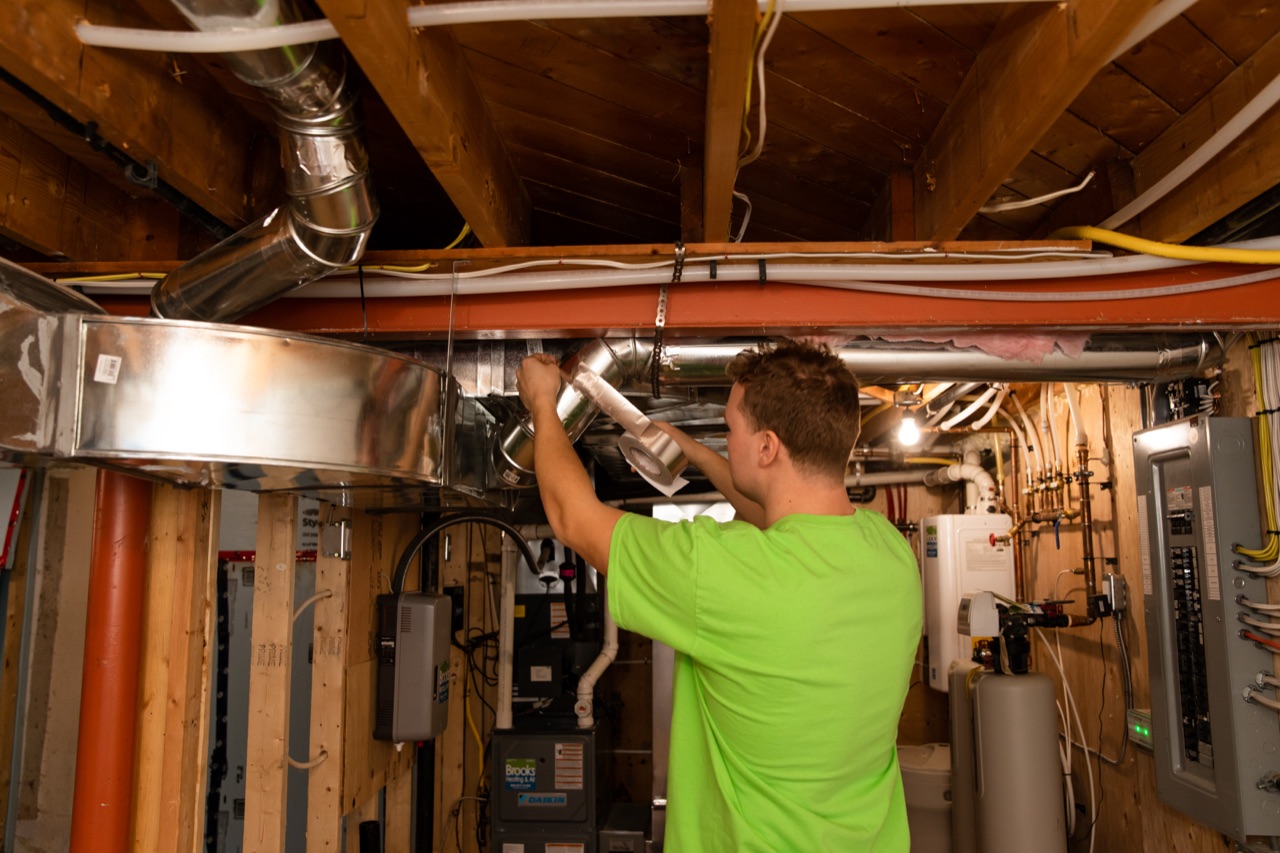
The best time to prepare your air conditioner is before the first long stretch of hot weather. Start with a clean, compatible filter, clear indoor registers, an outdoor unit free of loose debris, and a thermostat that is set correctly. Then let the system run long enough to judge its performance. Stable settings, closed windows, sensible shade, and moisture control usually help more than repeatedly lowering the thermostat. If cooling stops, check only the controls and visible items you can reach safely. Leave refrigerant, wiring, sealed panels, and internal repairs to qualified technicians.
Key takeaways
- Test cooling before a hot spell, not during the busiest breakdown day.
- Use steady, comfortable settings and judge results over normal cycles.
- Treat high humidity, weak airflow, and water leaks as useful warning signs.
- Keep homeowner checks outside electrical, refrigerant, and sealed equipment areas.
- Call for service when a safety issue appears or a simple check does not restore cooling.
Know what your air conditioner can control
A central air conditioner moves heat from indoor air to the outdoors. In many homes, the indoor coil shares a blower and duct system with the furnace. The system also removes some moisture as warm indoor air passes over the cold coil. That moisture should drain away through the condensate system.
Cooling equipment cannot correct every summer problem. Strong afternoon sun, attic heat, open windows, duct leakage, low airflow, or a large amount of indoor moisture can keep rooms uncomfortable even when the outdoor unit runs. Before assuming the air conditioner has failed, note whether the concern affects one room, one floor, or the whole home.
Use a room thermometer and hygrometer to compare the problem space with the thermostat area. Record the time, outdoor conditions, thermostat setting, measured temperature, relative humidity, and whether the equipment was running. A short record is more useful than a single reading taken just after a door opened.
Prepare before the first hot week
Give the system a calm trial run on a mild or warm day. Do not force cooling when outdoor conditions are too cold for the model. Check the owner’s manual if you are unsure about operating limits.
Homeowner-safe preseason checklist
- Set the thermostat to cooling and confirm the displayed setpoint is below the room temperature.
- Check that a schedule, vacation setting, or smart-home rule is not cancelling the call for cooling.
- Inspect the filter. Clean or replace it only with the type and size allowed by the equipment instructions.
- Open supply registers and keep return grilles clear of furniture, rugs, and curtains.
- Remove loose leaves and light debris around the outdoor unit without opening its cabinet or bending the coil fins.
- Look for visible water near the indoor equipment and along accessible drain piping.
- Listen for new grinding, banging, buzzing, or repeated starting and stopping.
- Confirm that windows and exterior doors close properly.
- Let the system complete normal cycles before deciding whether it is keeping up.
Natural Resources Canada advises homeowners to inspect, clean, or change filters according to the manufacturer’s guidance. Its maintenance guidance assigns coil cleaning, refrigerant checks, electrical measurements, controls, and blower adjustment to a qualified contractor. Before spring service, compare the owner’s manual with Brooks’ air-conditioning maintenance information and note any change in drainage, airflow, cycling, or noise.
Choose settings for steady comfort
There is no single thermostat number that suits every Ontario home. The useful setting is the highest cooling temperature that remains comfortable for the household and protects anything in the home that has a specific temperature need. Change it in small steps and give the system time to respond.
Large downward changes do not make a typical air conditioner cool faster. They can simply make it run longer. Frequent manual changes also make it harder to tell whether the home is improving. A consistent schedule gives you a clearer baseline.
Use curtains, blinds, or exterior shade on windows with strong sun. Limit unnecessary heat and moisture from cooking or long hot showers during the warmest part of the day. Run kitchen and bathroom exhaust fans that vent outdoors when those rooms produce moisture. Keep exterior doors and windows closed while the air conditioner is operating, unless outdoor air is part of a deliberate ventilation plan and conditions are suitable.
Ceiling and portable fans move air across people. They can make an occupied room feel more comfortable, but they do not lower the room temperature. Turn them off when the room is empty. Never use a fan as the only response to dangerous indoor heat.
Manage humidity without chasing a number
Warm, damp air can feel uncomfortable even when the thermostat temperature seems reasonable. Health Canada generally recommends indoor relative humidity between 30 and 50 per cent. That range is a moisture-control guide, not a promise of comfort and not a medical target.
Check humidity in more than one room. A high reading beside a shower or an open basement window may not represent the whole house. If high humidity continues, look first for water entry, plumbing leaks, damp materials, an unvented dryer, or exhaust fans that do not reach outdoors. Correct the source rather than asking the air conditioner to hide it. Persistent humidity trouble is also a good reason to look at broader indoor air quality solutions rather than relying on cooling adjustments alone.
Cooling performance and moisture removal depend on equipment operation and airflow. An oversized unit may satisfy the thermostat quickly without long cycles, while a dirty coil, low airflow, drain problem, or control fault can also affect moisture. These are technician checks. Do not open the air handler, clean an indoor coil with chemicals, or alter fan speeds yourself.
Watch for early warning signs
Book an assessment before a small concern becomes a no-cooling call. Useful signs include:
- room air is warm even though the thermostat is calling for cooling
- airflow is much weaker than usual at several registers
- ice is visible on accessible refrigerant tubing or the outdoor unit
- water is collecting near the indoor equipment
- the system starts and stops unusually often
- a breaker trips again after the first event
- new grinding, squealing, hissing, or hard buzzing begins
- the outdoor unit runs but the indoor blower does not, or the reverse
- temperature or humidity changes sharply from the system’s normal pattern
Turn cooling off if you see ice. Continuing to run it can make diagnosis harder and may cause more water when the ice melts. Keep the area around any leak clear and protect belongings if that can be done without touching equipment or wiring.
A burning smell, smoke, sparks, damaged wiring, or repeated breaker trip needs prompt attention. Turn the system off from the normal control if it is safe to do so. Do not remove a panel or keep resetting a breaker.
Keep refrigerant and electrical work out of DIY territory
An air conditioner is a closed refrigerant system. Low refrigerant is not normal fuel use. It can point to a leak, an incorrect charge, or previous service work. Adding refrigerant without finding the cause is not a homeowner repair.
Ontario states that certified technicians are the only people who may remove, discharge, handle, or dispose of regulated refrigerants. The province also explains that an Ozone Depletion Prevention card alone does not qualify someone to repair refrigeration equipment. Trade qualifications matter too.
Electrical parts may remain hazardous even when the equipment is not running. Do not test capacitors, contactors, motors, or internal terminals. A qualified technician can check refrigerant pressures and temperatures, search for leaks, measure airflow, inspect electrical components, clear internal drains, and compare performance with the manufacturer’s data.
What to do when cooling stops
Use this order so that a stressful day does not turn into unsafe trial and error.
Step 1: Check the people and the home
Move to a cooler location if anyone cannot stay safe in the indoor conditions. Follow public heat alerts and local emergency guidance. Close sun-facing blinds, reduce indoor heat sources, and use fans only where they are appropriate.
Step 2: Check normal controls
Confirm cooling mode, setpoint, schedule, and thermostat power. If the thermostat uses replaceable batteries, follow its instructions. Check whether the furnace or air-handler service switch was turned off by mistake.
Step 3: Check visible airflow items
Look at the filter, supply registers, and return grilles. Replace a loaded filter with the correct approved type. Do not run the system without a filter unless the manufacturer explicitly directs it for a test.
Step 4: Look, listen, and stop
Check for ice, water, unusual noise, smoke, odour, or a tripped breaker. Do not repeatedly reset controls or protection devices. Do not spray water into equipment, strike a frozen line, or open panels.
Step 5: Give the service team useful facts
Share the thermostat setting, room temperature, humidity, when the problem began, which components run, any fault code, and what you safely checked. Photos of visible ice or water can help, provided you do not enter a hazardous area.
If the safe checks do not restore cooling, stop there rather than repeating resets or opening equipment.
Plan service timing around evidence
Spring service gives time to address wear, drainage, airflow, or control issues before peak weather. Natural Resources Canada recommends preseason checkups and says a qualified contractor should handle refrigerant, coil, electrical, control, and blower checks. Follow the equipment maker’s maintenance schedule as well.
Service history matters. Keep dates, findings, parts replaced, refrigerant work, and performance notes. If a recurring fault leads to a replacement discussion, compare the repair path with equipment condition, availability of parts, cooling load, duct performance, efficiency rating, and plans for the home. Age alone does not settle the choice. Homeowners weighing a full system change may also find it useful to review our complete heat pump guide before deciding between like-for-like replacement and a different type of equipment.
For new central air conditioners, the EnerGuide label shows the model’s seasonal energy efficiency ratio, or SEER, and compares it with similar models. A higher rating describes tested model efficiency. It does not prove that the unit is the right size, that the ducts are sound, or that a particular bill result will follow.
Georgetown and Halton Hills summer context
Local summers in Georgetown and Halton Hills can move from mild weather to warm, humid stretches quickly. Homes with upper floors, large west-facing windows, older attic assemblies, or later additions may cool unevenly. A system that performs well in June may reveal airflow or heat-gain limits during a longer July event.
Do not judge every home by a neighbour’s equipment or setting. Construction, shade, ducts, insulation, occupancy, and maintenance change the load. Compare those house-specific details with Brooks’ air-conditioning service overview, not with the size or settings next door.
Frequently asked questions
How early should I test my air conditioner?
Test it before sustained hot weather, on a day that is warm enough for safe operation under the owner’s manual. Let it complete normal cycles. An early test gives you time to address noise, weak airflow, drainage, or control trouble before cooling becomes urgent.
Should I turn the thermostat much lower to cool the house faster?
Usually no. A large change does not make a typical system produce colder air faster. Use a steady comfortable setting, control sun and indoor heat, and watch the trend. If the temperature keeps rising while the system runs, record the conditions and arrange a diagnosis.
Why is my air conditioner running but the house still feels damp?
The home may have a moisture source, poor ventilation, low airflow, a drain or coil issue, short cooling cycles, or a system-design limit. Measure humidity in several places and check for leaks and exhaust problems. Equipment and airflow changes belong with a qualified technician.
Can I add refrigerant to a home air conditioner?
No. Ontario restricts regulated refrigerant handling to certified people, and refrigeration repair requires the proper trade qualification. Refrigerant work also requires tools and procedures for leak detection, recovery, charging, and safe system testing.
Is weak airflow always an air-conditioner failure?
No. A loaded or incorrect filter, blocked grille, blower problem, duct restriction, ice, or closed damper may reduce airflow. Check only the filter and visible room openings. If weak airflow affects several rooms or ice appears, turn cooling off and request service.
If the next cooling cycle still falls behind
After the safe checks, watch one normal cycle. If the indoor temperature keeps rising, airflow stays weak, or ice or water returns, review Brooks’ AC repair information and decide whether to request a diagnosis. Keep the thermostat, humidity, and fault-code details nearby. If your air conditioner keeps needing these same fixes every summer, it may be time to weigh repair against replacement — see the Repair or Replace: The Complete Decision Guide.