
Everything You Need to Know About Heat Pumps
Heat pumps can heat and cool an Ontario home well, but performance depends on the model, sizing, backup plan, and maintenance, not one efficiency label. This guide covers cold-weather operation, backup heat, sizing, efficiency ratings, and how to tell if a heat pump fits your home.
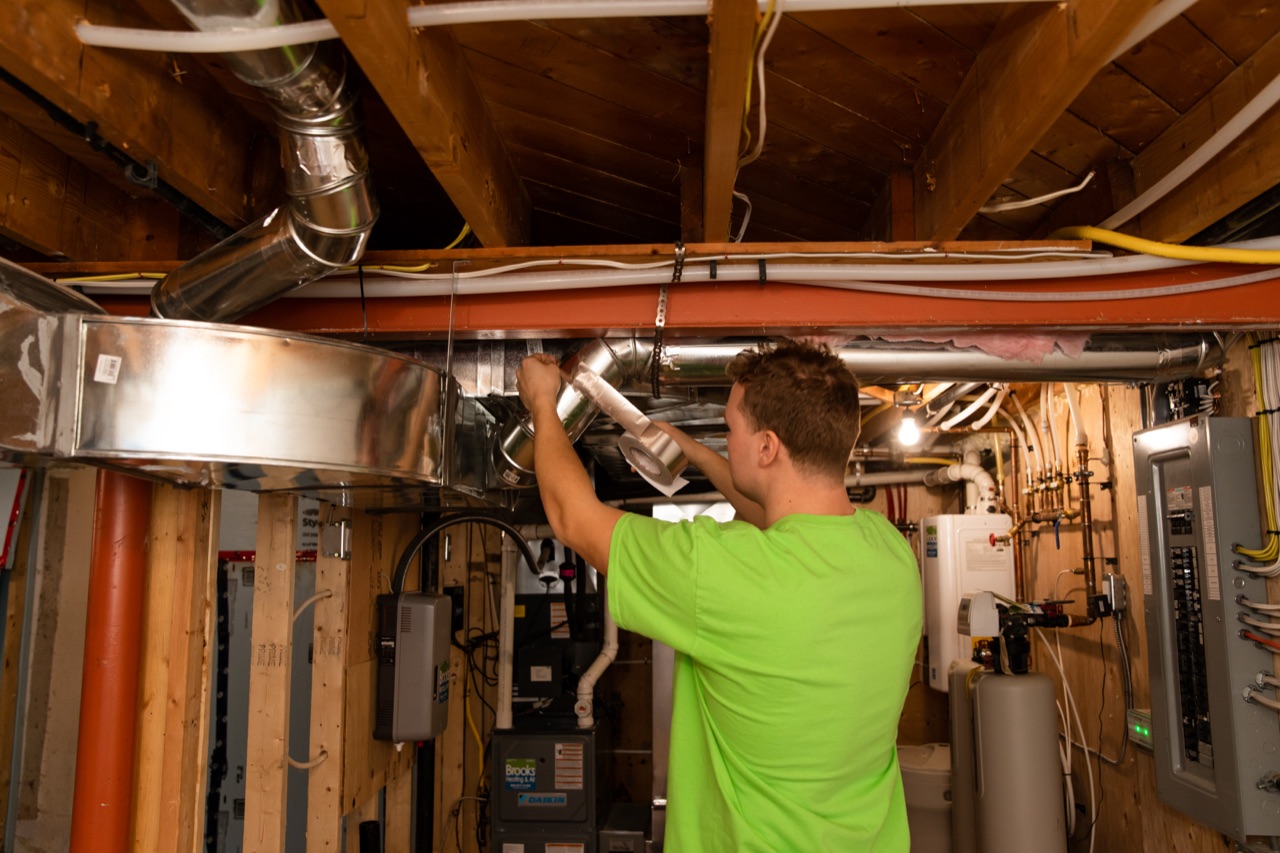
A heat pump is an electric heating and cooling system that moves heat instead of making all its heat at the point of use. In summer, it moves heat out of the home. In winter, an air-source model collects available heat from outdoor air and moves it indoors. Ontario performance depends on the exact model, outdoor temperature, home heat loss, distribution, controls, and backup plan. A heat pump can be a good fit in a ducted or ductless home, but the choice should follow a load calculation and model-specific performance review, not a promise based on floor area or one efficiency number.
Key takeaways
- Heat pumps provide both heating and cooling by reversing the direction of heat transfer.
- Cold-weather capacity and efficiency vary by model and outdoor temperature.
- A backup plan must be sized and controlled for the home's design needs.
- Compare low-temperature data and heating performance, not only the cooling label.
- Good sizing, distribution, setup, and maintenance matter as much as the equipment name.
How an air-source heat pump works
Natural Resources Canada describes a heat pump as an electrically driven device that transfers thermal energy from a lower-temperature place to a higher-temperature place. The system uses a refrigerant circuit, compressor, coils, fans, an expansion device, and a reversing valve.
In heating mode, the outdoor coil absorbs heat. The compressor raises the refrigerant's pressure and temperature. The indoor coil then releases that heat to indoor air. In cooling mode, the reversing valve changes the refrigerant path so the indoor coil absorbs heat and the outdoor coil releases it.
The outdoor air does not need to feel warm to contain usable thermal energy. However, collecting and moving that energy becomes harder as the temperature difference grows. That is why cold-weather capacity and electricity use must be reviewed at relevant temperatures, not assumed from summer performance.
Ducted and ductless layouts
A centrally ducted heat pump connects an outdoor unit to an indoor coil or air handler. It uses supply and return ducts to serve rooms. Existing ducts can be useful, but they still need enough capacity, reasonable leakage, and suitable room distribution for the required airflow.
A ductless system uses one or more indoor units connected to an outdoor unit. Each indoor unit conditions its zone directly. This can suit a home without ducts, an addition, or a space with a separate load. It does not guarantee even whole-home comfort. Unit placement, door positions, room connections, and the number of zones all matter.
Some homes use a heat pump with another heating system. It may provide part of the winter load or take over under selected conditions. This arrangement needs a clear control strategy.
Brooks' heat pump information can help you learn the basics before you ask how a proposed configuration would fit your home.
What changes in cold Ontario weather
An air-source heat pump loses some heating capacity as outdoor air gets colder. The home's heat loss rises at the same time. The point where the heat pump's output equals the home's heat need is often called a thermal balance point. Below that point, another heat source may need to supply the difference.
Newer cold-climate models are designed to retain more capacity at lower temperatures than conventional designs, but "cold climate" is not a complete specification. Ask for the selected model's published capacity and power input at several outdoor temperatures, including conditions relevant to Georgetown and Halton Hills.
Cold, damp weather can also create frost on the outdoor coil. The unit must remove that frost through a defrost cycle. Natural Resources Canada explains that a common defrost method briefly reverses the cycle to warm the outdoor coil. The outdoor fan may stop, and the indoor system may use supplemental heat during that period. A short, controlled defrost is normal. Heavy ice that does not clear, repeated fault codes, or damaged fan blades need service.
Do not cover the outdoor unit or chip ice from the coil. Keep required clearances open and follow the manufacturer's snow-management instructions.
Backup heat is a design decision
Backup or supplemental heat is capacity available when the heat pump cannot carry the full load, is in defrost, is unavailable, or is intentionally controlled to hand off at a set condition.
Possible arrangements include electric resistance heat in an air handler, electric baseboards, or an existing fuel-fired furnace or boiler. The right arrangement depends on the home and installed equipment. A ductless unit does not normally contain a central backup heater for every room, so the plan must account for spaces outside its direct reach.
Ask four direct questions:
- What is the home's design heating load?
- How much capacity does this exact heat pump provide at the selected winter design condition?
- What equipment supplies any difference?
- What thermostat logic or outdoor setting controls the transition?
The total plan should protect comfort without hiding how often backup may operate.
Correct sizing starts with the home
Floor area and the size of old equipment are not a full sizing method. Windows, insulation, leakage, orientation, room use, ducts, and local design weather affect the load.
Natural Resources Canada recommends calculating heating and cooling loads with a recognized method such as CSA F280. It says heat-pump sizing should consider climate, building loads, and the objective of the installation. That objective matters. A system selected to cover most annual heating may have a different balance with backup heat than one selected for a larger share of the coldest-weather load.
Too little capacity can increase backup use or leave a comfort gap. Too much nominal capacity can create control, airflow, humidity, noise, or cycling concerns if the system cannot reduce output enough during mild weather. Variable-capacity equipment can adjust across a range, but its minimum and maximum values still need to fit the home.
Ask to see the load result, design temperatures, selected model data, and assumed backup capacity. A number without the assumptions behind it is hard to review.
Read efficiency information carefully
Several ratings describe different parts of performance:
- COP compares heat delivered with electricity used at a stated operating condition.
- HSPF is a seasonal heating-performance measure based on a defined climate and test method.
- SEER is a seasonal cooling-efficiency measure.
- Heating capacity shows output at a stated outdoor and indoor condition.
Do not compare a COP at one mild condition with an HSPF for a season. Do not treat SEER as a winter rating. The Canadian EnerGuide label for air-source and ductless heat pumps displays model type and SEER, then compares that cooling value with similar models. It is useful, but it does not establish winter fit for a specific house.
Ask for performance data that match the indoor unit, outdoor unit, and controls being quoted.
Heat-pump comfort can feel different
A furnace often delivers shorter periods of hotter supply air. A heat pump may run longer and deliver gentler heat. Longer runtime is not automatically a fault. It can be normal when variable-capacity equipment is matching the load.
Large overnight thermostat setbacks can cause a slow recovery or trigger more backup heat, depending on the controls. Natural Resources Canada advises moderated setbacks and installer guidance for the system's best setting. A steady schedule is often a better starting point than copying furnace habits.
Room comfort still depends on distribution. A ducted unit needs proper blower settings and balanced paths. A ductless head needs a clear throw and sensible placement. Keep doors, tall furniture, and window gains in mind. Controls cannot move heat through a closed layout that was not considered in design.
Maintenance protects airflow and heat transfer
Homeowner care should follow the equipment manual:
- Inspect, clean, or replace indoor filters as directed.
- Keep supply and return openings clear.
- Keep the outdoor unit free of leaves, plants, and drifting snow while preserving required clearances.
- Look for water outside the intended condensate path.
- Note new sounds, vibration, odours, ice that does not clear, or repeated control messages.
- Keep service and setting records.
Natural Resources Canada recommends qualified maintenance and says clogged filters reduce airflow and system efficiency. The right interval still depends on the equipment instructions and actual conditions. Do not open refrigerant circuits, bend coil fins, move electrical parts, or use tools to remove outdoor ice.
A professional check can address refrigerant performance, electrical condition, drains, controls, airflow, coil condition, backup operation, and the handoff sequence.
Decide whether a heat pump fits the home
Use this practical review:
- Home load: Is there a room-by-room heating and cooling calculation?
- Envelope: Are major leakage or insulation problems increasing the load?
- Distribution: Can ducts or indoor units deliver capacity where it is needed?
- Cold-weather data: What does the selected combination provide at relevant temperatures?
- Backup: What supplies the remaining load, and how is it controlled?
- Electrical: Can the panel and service support the outdoor unit, indoor equipment, and any electric backup?
- Outdoor location: Is there room for drainage, snow, service access, and manufacturer clearances?
- Thermostat: Does it support the equipment staging and backup-heat strategy?
- Equipment defrost controls: Has the defrost sequence been configured and checked during commissioning?
- Ownership plan: Are you comparing a full replacement, an addition to working equipment, or a focused repair?
Once the home and goals are understood, the heat pump installation and replacement page can help you prepare questions about installation choices.
Costs, savings, and incentives need current inputs
No honest guide can promise a bill reduction from the equipment name alone. Operating results depend on weather, electricity and fuel rates, the system being replaced, backup use, thermostat behaviour, envelope, distribution, and maintenance.
Ask for assumptions in writing if an estimate includes operating cost. Compare the same indoor conditions and the full system, including backup. Treat incentive information as time-sensitive. Program rules, eligible equipment, application steps, and available funding can change. Brooks' rebates page can be a starting point, but confirm current terms on the official program page before making a purchase decision.
Repair or replace an existing heat pump?
A safe repair can be the right answer when the system still fits the home and a serviceable part caused the fault. Replacement may deserve comparison when safety, repeated failures, unavailable major parts, refrigerant issues, poor fit, or a major home change make continued repair less sensible.
Ask what failed, what the repair restores, and whether the rest of the system was tested. If replacement is proposed, ask how the new design corrects any old airflow, sizing, noise, or backup problem. New equipment should not repeat an old design fault.
Georgetown and Halton Hills context
Local homes see humid summers, freezing conditions, and snow around outdoor equipment. Older homes, additions, finished basements, and rural properties can have distinct loads and distribution limits. Inspect the actual home rather than choosing one standard size or backup type.
Frequently asked questions
Do heat pumps work during an Ontario winter?
Yes, models designed for cold-weather operation can provide heat below freezing. Capacity and efficiency still change with temperature, and every model has limits. Review low-temperature data and a complete backup plan for the home's design load.
Do I have to remove my furnace to install a heat pump?
No. Some projects pair a heat pump with an existing or new furnace, while others use an air handler with electric backup or another arrangement. The correct choice depends on equipment compatibility, ducts, controls, load, fuel, electrical capacity, and homeowner goals.
Is it normal for a heat pump to run for a long time?
Often, yes. Variable-capacity systems may run longer at lower output to match the load. Investigate if the home cannot reach its setting, backup runs unexpectedly, ice does not clear, or new noise and fault messages appear.
Will a heat pump always lower my energy bills?
No guarantee is possible. Results depend on rates, weather, the old system, backup use, sizing, controls, envelope, and behaviour. Compare a home-specific estimate with clear assumptions, not a general savings claim.
Should I turn a heat pump down at night?
Use modest changes unless the system designer recommends another strategy. A deep setback can require a long recovery and may bring on backup heat. Start with the manufacturer's and installer's guidance, then watch comfort and system operation.
Take the next step at your pace
Still deciding whether a heat pump fits your home? Gather your load information, utility history, existing equipment details, and comfort goals. Use Brooks' heat pump information to make a short list of questions about cold-weather capacity and backup heat. A clear answer about fit matters more than a quick decision.
Once you understand how a heat pump performs in an Ontario winter, the next question is usually cost — see Heat Pump vs Furnace Cost in Halton Hills for a side-by-side comparison against a furnace.