
The Home Energy Savings Blueprint
Build an Ontario home energy plan that starts with evidence: check bills, controls, and maintenance first, then coordinate air sealing, insulation, ducts, and equipment as one system.
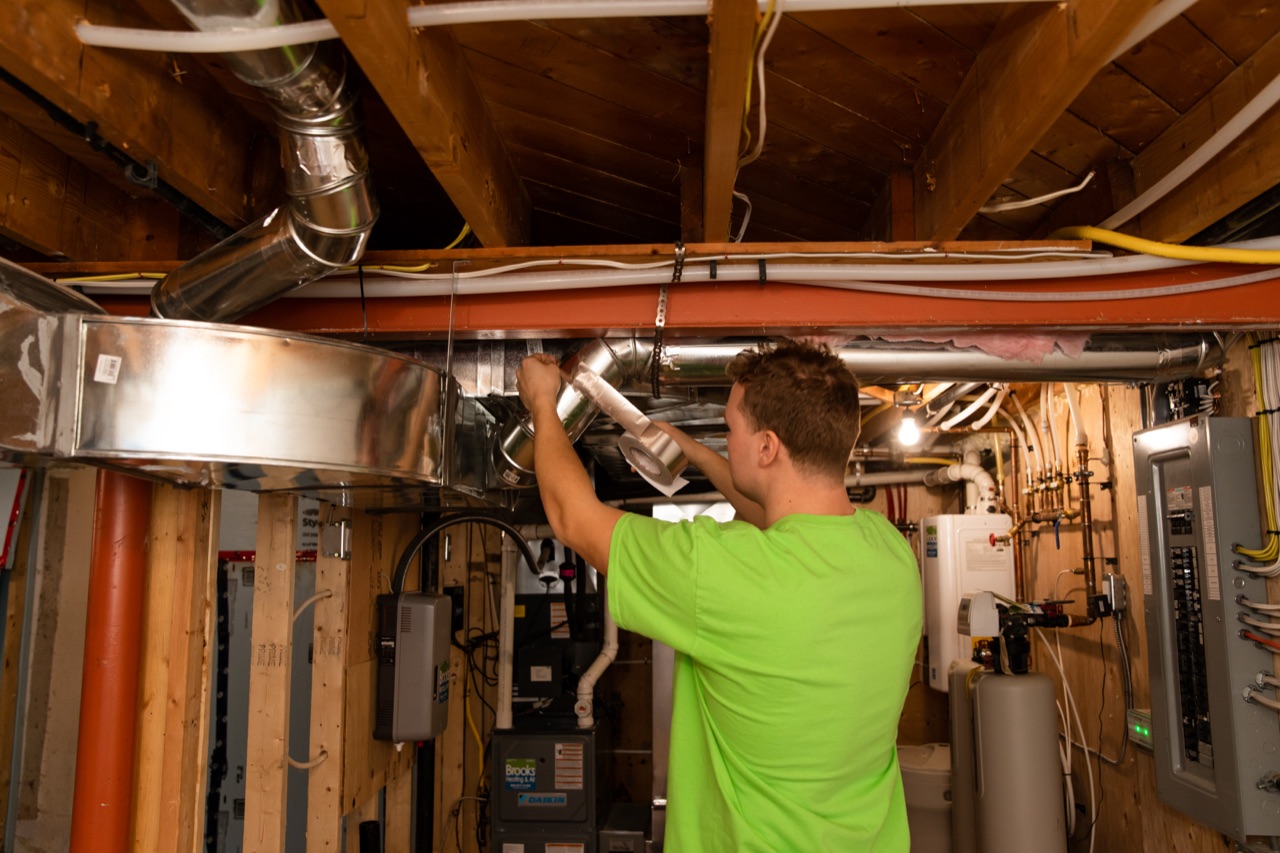
A useful home energy plan starts with evidence, then works from low-risk corrections to larger upgrades. Gather utility use, note comfort problems, check controls and maintenance, and look at air leakage, insulation, ducts, and equipment as connected parts of one house. Do not replace a working system only because a newer model has a better rating. Do not seal a home without planning for moisture, ventilation, and combustion air. Results vary with weather, occupancy, fuel prices, and how the home is used, so measure changes instead of accepting a guaranteed savings claim.
Key takeaways
- Establish a baseline before choosing a product or project.
- Correct safety, moisture, and maintenance problems before chasing efficiency.
- Coordinate air sealing, insulation, ventilation, and combustion-air needs.
- Treat ducts, hydronic piping, controls, and equipment as one delivery system.
- Check current official program rules before counting on an incentive.
Start with a baseline you can explain
Collect at least a year of electricity and fuel bills if they are available. Use the energy quantities, not only the dollar totals, because rates and fees can change. Mark move-in dates, renovations, equipment changes, extended travel, electric-vehicle charging, and unusual occupancy.
Weather changes from year to year, so a bill comparison is not a controlled test. Compare similar months and note very cold or hot periods. If the utility offers hourly, daily, or Green Button data, look for patterns such as a high overnight base load or a strong increase during cooling weather. A pattern points to a question. It does not identify the cause by itself.
Add a simple comfort map. Record rooms that are cold, hot, drafty, damp, or slow to change. Note thermostat settings, humidity, filter condition, and equipment runtime. Energy use and comfort belong in the same file because a change that lowers use but creates moisture or unsafe operation is not a sound improvement.
For a more complete baseline, a registered EnerGuide energy advisor can assess the home from basement to attic. Natural Resources Canada says an evaluation can document airtightness through a blower-door test, insulation levels, windows and doors, heating and cooling equipment, water heating, and ventilation. The resulting rating uses standardized conditions for comparison, so it should not be expected to match a household’s utility bills exactly.
Work through the blueprint in order
The order matters. It helps avoid buying new equipment before the home’s load and distribution problems are understood.
1. Safety and moisture
Address active water leaks, damaged wiring, unsafe venting, carbon monoxide alarms, fuel odours, and major equipment faults first. Efficiency work must not cover a safety problem.
Look for roof or plumbing leaks, damp foundation areas, condensation, blocked drains, and bathroom or kitchen fans that do not vent outdoors. Wet insulation does not perform as intended, and hidden moisture can damage the building assembly.
Fuel-burning equipment needs combustion air and a reliable exhaust path. Do not seal gaps around flues, change venting, or depressurize the home for a DIY test. Use qualified professionals for fuel, combustion, chimney, and electrical work.
2. Controls and household habits
Confirm thermostat time, mode, schedule, and equipment configuration. A schedule should reflect when the household is normally home, asleep, or away. Avoid changes so deep or frequent that the system must use an inefficient recovery mode or cannot maintain safe conditions. Heat pumps, boilers, staged equipment, and electric backup heat can each respond differently, so use the equipment instructions.
Low-risk habits include:
- closing windows while heating or cooling is active
- using blinds or shade to limit strong summer sun
- running outdoor-vented kitchen and bathroom fans when needed
- turning off lights and plug loads that are not in use
- using appliance energy-saving settings where they fit the task
- keeping radiators, baseboards, supply registers, and return grilles clear
- using ceiling fans only in occupied rooms
Habits matter, but they should not be used to blame occupants for a leaking envelope or poorly operating system.
3. Maintenance and operating condition
A loaded filter, blocked outdoor unit, dirty coil, failed control, poor combustion, or low airflow can make equipment operate longer or less safely. Follow the manufacturer’s maintenance schedule and keep service records. Brooks’ furnace maintenance and tune-up service follows a similar checklist to the one in the Annual HVAC Maintenance Planner, and homeowners weighing plan coverage can also read the maintenance plan guide for what is typically included.
Homeowners can usually inspect a user-serviceable filter, clear room grilles, remove loose debris around accessible outdoor equipment, and watch for leaks or unusual sounds. Leave refrigerant, electrical, burner, gas, oil, steam, boiler-pressure, and internal equipment work to qualified technicians.
Maintenance does not turn an inefficient model into a high-efficiency one. It helps the installed system operate closer to its intended condition and can reveal whether a repair or design issue needs attention. If maintenance documentation is missing, compare Brooks’ maintenance plan overview with the equipment manual and list the inspection records you expect.
4. Air sealing
Uncontrolled air leakage moves heated or cooled air through gaps in the building envelope. Common locations include windows and doors, attic hatches, plumbing and wiring penetrations, rim joists, and joints between building materials.
Natural Resources Canada calls comprehensive air-leakage control a key retrofit step and recommends systematic identification and sealing. A blower-door test can find leakage more reliably than guessing from one draft.
Some simple weatherstripping and visible caulking may be suitable homeowner work when the product, location, and fire-safety requirements are clear. Stop around fuel vents, chimneys, pot lights, electrical connections, suspect insulation, and hidden cavities.
Air sealing changes how the whole house behaves. As leakage falls, indoor humidity can rise and less air may be available to combustion appliances. Pair tightening with a review of ventilation, moisture, and combustion-air supply.
5. Insulation
Insulation slows heat flow, while the air barrier limits air movement. They are not the same material or job. Stuffing fibrous insulation into a drafty gap does not create a reliable air seal.
Assess the attic, exterior walls, basement, foundation, exposed floors, and any addition as separate assemblies. Existing levels, moisture, access, wiring, ventilation, and fire clearances affect the right approach. Air-seal appropriate leakage paths before adding insulation where the assembly requires it.
Do not disturb material that may contain asbestos or vermiculite. Attic work also brings fall, heat, electrical, and fire risks. Ask a qualified building-envelope professional or energy advisor to set priorities and define a safe scope.
6. Distribution
Efficient equipment still wastes effort if heat or cooling does not reach the rooms that need it. Forced-air concerns include leaking or crushed ducts, poor return paths, unbalanced branches, blocked grilles, and excessive filter resistance. Hydronic concerns include uninsulated piping in cool areas, failed pumps or valves, trapped air, and control problems.
Natural Resources Canada advises sealing duct joints with approved materials and insulating ducts in unheated or cool spaces. Standard cloth-backed household duct tape is not a durable duct seal. Ducts inside walls, ceilings, and equipment areas require suitable access and expertise. A technician can measure static pressure and airflow before recommending sealing, balancing, or resizing.
Do not close many registers to force air elsewhere. That changes system pressure and may reduce performance. Likewise, do not change boiler water temperatures, system pressure, pumps, or zone controls without qualified guidance.
7. Equipment
Consider equipment after load, maintenance, controls, and distribution are understood. A new furnace, boiler, heat pump, or air conditioner should be selected for the home’s current needs, not copied from an old nameplate by default.
Compare:
- the heating and cooling load
- rated efficiency in the correct product class
- performance at relevant outdoor conditions
- capacity and staging
- fuel and electrical requirements
- duct or hydronic compatibility
- ventilation and humidity effects
- controls and backup operation
- installation, commissioning, and maintenance needs
- safe repair options for the existing system
A better rating does not guarantee a specific reduction in energy use. Sizing, installation, distribution, weather, settings, and household use all affect the result.
Rank projects with a simple decision framework
Score each possible action against five questions:
- Safety: Does it correct or create a fuel, electrical, moisture, fire, or indoor-air concern?
- Evidence: What bill pattern, measurement, inspection, or test supports it?
- Interaction: What happens to ventilation, humidity, loads, controls, and other equipment?
- Durability: Will the materials, access, drainage, and maintenance support the change?
- Verification: How will you confirm the work was completed and whether performance changed?
Group projects that must be coordinated. For example, attic insulation may include air sealing and ventilation details. Equipment replacement may involve load calculation, ducts, electrical capacity, controls, condensate, and commissioning. Bundling related design work is different from buying unrelated upgrades at once.
Verify results without promising a number
Take before-and-after notes. Keep invoices, model data, settings, test results, and commissioning records. Compare energy quantities over similar weather periods and record comfort or humidity changes. If a project included an EnerGuide evaluation, follow the program’s required post-work process.
Expect uncertainty. A colder winter, hotter summer, new occupant, finished basement, or different schedule can mask or exaggerate a change. The honest conclusion may be that comfort improved while measured energy use needs more time, or that a correction did not deliver the expected result and needs review.
Ontario program and rebate context
Ontario efficiency programs can change their measures, eligibility, contractors, documentation, amounts, and dates. Never start work based only on an old advertisement or article.
Current official Ontario pages list efficiency programs and measures, but program details can change. Check the official current program page before signing a contract, confirm eligibility and whether approval must come before work, and keep all required records. A general overview of assessments, insulation, air sealing, controls, or heat pumps does not establish eligibility for a specific home.
Read Brooks’ rebate overview and HVAC energy-rebate information for HVAC context, then verify every measure, document, and timing rule on the official program page. The official administrator’s current terms control.
Georgetown and Halton Hills context
Local homes in Halton Hills face cold winters, humid summer periods, and wide seasonal changes. Older houses, additions, finished basements, rural properties, and mixed heating systems can each produce a different energy pattern. Work that helps a newer compact home may not be the first priority for an older house with a leaky addition or unbalanced distribution.
Use local weather as context, then measure the actual building. Avoid copying a neighbour’s equipment size, thermostat schedule, or retrofit order.
Frequently asked questions
What should I improve first to reduce home energy use?
Start with safety and moisture, then establish a baseline. Correct obvious control and maintenance issues before ranking air sealing, insulation, distribution, and equipment projects. A blower-door test or EnerGuide evaluation can replace guesswork with house-specific evidence.
Should I replace working HVAC equipment for a higher efficiency rating?
Not automatically. Compare the existing system’s condition, repair needs, sizing, controls, distribution, and expected ownership period. A sound repair or envelope correction may deserve priority. If replacement is justified, use the rating as one input, not a promised bill result.
Can I air-seal the house myself?
Some visible weatherstripping and caulking may be reasonable when the materials and location are clear. Do not work around flues, combustion appliances, electrical hazards, suspect insulation, or complex attic details. Tightening also requires attention to moisture, ventilation, and combustion air.
Does a smart thermostat always save energy?
No. It can support a suitable schedule and show useful trends, but results depend on the equipment, setup, settings, occupancy, and previous habits. Compatibility is especially important with heat pumps, staged systems, boilers, and backup heat.
How do I know whether an Ontario rebate is available to me?
Check the current official program page and terms before work begins. Confirm the home, applicant, equipment, contractor, assessment, and timing requirements directly with the program. A general rebate page cannot approve a household or promise an amount.
Start with the missing evidence
If there is no recent inspection record, compare Brooks’ plan information with the equipment manual and decide whether documented maintenance comes first. If utility data or an EnerGuide report points to the envelope or distribution, begin there instead. One supported priority is enough.
If your current equipment is the real bottleneck rather than the envelope or maintenance history, the next step is matching a system to your home’s actual needs — see How to Choose the Right HVAC System.