
The Annual HVAC Maintenance Planner
A month-by-month HVAC maintenance calendar for Ontario homes, showing which checks homeowners can safely do themselves and which belong to a licensed technician.
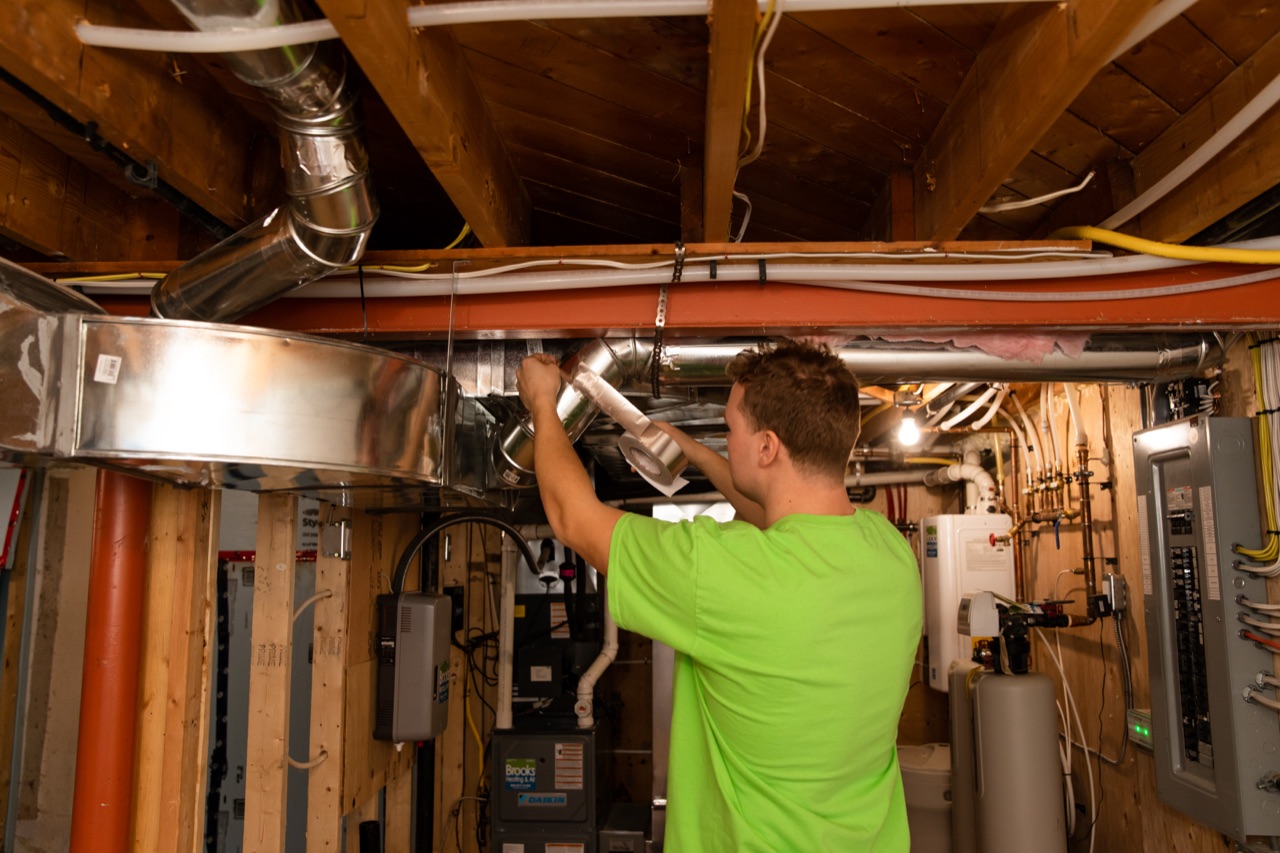
An effective HVAC maintenance plan spreads a few safe checks across the year and reserves technical work for qualified professionals. Follow the equipment manual for filter care, book cooling service before hot weather, and plan heating service before cold weather. Each month, record one or two observations instead of waiting for a breakdown. Homeowners can check controls, accessible filters, room grilles, alarms, and visible outdoor clearances. Refrigerant, wiring, burners, fuel, combustion, internal drains, sealed panels, and equipment adjustments are not do-it-yourself jobs.
Key takeaways
- Put maintenance dates on the calendar before peak heating and cooling seasons.
- Use the equipment manual, not a generic filter deadline.
- Record changes in sound, airflow, drainage, temperature, and runtime.
- Keep fuel, electrical, refrigerant, combustion, and internal work professional-only.
- Treat safety alerts and repeated faults as service needs, not maintenance chores.
Set up the planner once
Start with a folder or digital note for every heating, cooling, ventilation, and humidity-control system in the home. Add model and serial numbers, installation documents, owner manuals, filter details, service invoices, warranty terms, and current thermostat settings. Include carbon monoxide alarm instructions if the home has a fuel-burning appliance, fireplace, attached garage, or another Ontario trigger.
Pick one date near the start of each month for the checks below. The dates can move. The value comes from using the same short routine and comparing it with the last record.
For each visit, write down:
- The date and outdoor weather
- Thermostat mode, setpoint, and room reading
- Filter condition and any action taken
- New noise, odour, water, ice, weak airflow, or fault code
- The next action, even if it is simply to check again next month
Do not erase an old fault after it clears. A brief code, breaker trip, leak, or unusual cycle may matter if the problem returns.
Keep homeowner checks in the safe lane
Homeowner maintenance is mostly observation, cleaning around accessible areas, and following user-level instructions. It may include replacing a user-serviceable filter with the approved size and type, keeping supply and return grilles open, clearing loose debris from around an outdoor unit without touching the coil, and testing alarms as directed.
Professional maintenance goes further. Natural Resources Canada lists electrical measurements, control checks, condensate-drain inspection, coil cleaning, refrigerant checks, blower adjustment, burner combustion, heat-exchanger inspection, and fuel connections as contractor work. Ontario also limits regulated refrigerant handling, and fuel-fired appliances must be serviced by a TSSA-registered contractor that employs certified gas technicians.
Suspected natural-gas or propane leakage needs its own response. Leave immediately. Do not operate a light switch, thermostat, appliance, garage-door opener, phone, vehicle, or other equipment near the suspected leak. Do not light a flame or try to find or shut off the source. From a safe location, call 911, then the natural-gas utility or propane supplier. Stay out until emergency responders or the fuel provider say it is safe.
A heating-oil odour is not proof of a natural-gas or propane leak, but it still needs prompt attention. If there is smoke, fire, strong fumes, or another immediate danger, leave and call 911. For an oil odour, visible oil leak, or ordinary fault with no immediate hazard, stay out of the equipment and contact the fuel supplier or qualified service provider. If a carbon monoxide alarm sounds, get everyone outside and call 911 or local emergency services from there.
Every month: test carbon monoxide alarms
On the chosen monthly date, press the test button on every carbon monoxide alarm and follow its manufacturer instructions. Record any battery or end-of-life signal and correct it as directed. Make sure everyone knows the alarm sound and the outside meeting place. A real emergency signal is not a maintenance test. Leave immediately and call emergency services from outside.
January to March: watch winter operation
January: Check airflow and outdoor openings. Inspect the accessible filter and follow its manual. Keep indoor supply registers, returns, radiators, and baseboards clear. From the ground, look for snow or debris blocking accessible furnace, water-heater, dryer, and fireplace vents. Do not climb, enter a roof area, or chip ice from equipment.
February: Compare comfort, not just the thermostat. Note rooms that lag behind, long cycles, backup-heat use shown by a correctly configured control, or new dry or damp areas. Do not change furnace gas settings, boiler pressure, heat-pump staging, or internal fan speeds. A trend across several days is more useful than one cold-hour reading.
March: Plan cooling service. Review last summer’s notes and choose a spring date before the first hot stretch. Natural Resources Canada recommends preseason cooling and heating checkups. The exact visit schedule should also reflect the manuals, equipment types, warranty terms, and service history. Brooks’ air-conditioning maintenance information can be compared with that list.
April to June: prepare for cooling
April: Inspect the outdoor area. After snow has cleared, remove loose leaves and light debris from the space around accessible outdoor equipment. Keep plants from crowding airflow. Do not remove guards, wash a coil with chemicals, bend fins, or open a cabinet. Check visible mounting, piping covers, and drain outlets for winter damage without handling refrigerant lines or wiring.
May: Run a careful cooling check. Use cooling only when outdoor conditions meet the equipment manual. Confirm the thermostat mode and schedule, then let the system complete normal cycles. Record airflow, indoor temperature, humidity, sound, and visible drainage. Ice, warm supply air, repeated starting, or water around indoor equipment needs assessment rather than repeated resets.
June: Review the filter and room path. Cooling may use the same filter and blower as the furnace. Follow the approved filter type and service interval. Check that furniture, rugs, and curtains do not block returns or supplies. Do not choose a denser filter only by its rating because added resistance may not suit the system. For more on how filter ratings work, see Brooks’ home air filter MERV guide.
July to September: track peak cooling and change seasons
July: Watch what happens on a normal cycle. Keep windows closed while cooling is active, use shade where it helps, and note whether the whole house or one area falls behind. Check accessible condensate piping only for visible water or damage. Internal drain clearing, coil cleaning, pump work, and panel removal belong to a technician.
August: Save a cooling-season snapshot. Record the warmest-day setpoint, room readings, humidity, cycle pattern, and any repair. Note whether weak airflow, ice, noise, or water returned. This snapshot creates a useful comparison for next spring and keeps a one-time fault from becoming a forgotten story.
September: Schedule heating service. Arrange fuel-fired heating inspection before cold weather and review the maintenance needs of heat pumps, boilers, air handlers, and ventilation equipment. Ontario advises annual professional cleaning and inspection of fuel-burning appliances, chimneys, and vents before cold weather. Use Brooks’ furnace maintenance information only where it matches the home’s equipment.
October to December: confirm safe heating
October: Test normal heating operation. Confirm heat mode, schedule, and room response before a cold night. Listen for a new bang, grind, squeal, or hard buzz. Check visible vent openings from a safe location. Do not light burners, test combustion, open a furnace or boiler panel, bleed fuel lines, or change heat-pump balance settings.
November: Review alarm placement and replacement dates. Confirm the home’s carbon monoxide alarms are in the locations required by current Ontario guidance. Check each unit’s manufacturer replacement date and make sure the household can tell an emergency signal from a low-battery or end-of-life alert. Keep outside vents clear after each snowfall.
December: Review the year’s record. Add service reports, parts, fault codes, thermostat changes, and filter purchases to the folder. Mark recurring issues and unfinished recommendations. Set next year’s spring and fall reminders now. If the home will be vacant, use safe settings that account for pipes, moisture, occupants, pets, plants, and the exact heating system.
Use a four-column maintenance log
A simple log prevents the calendar from becoming a list of disconnected chores. Give each entry four columns:
- Observed: What changed in temperature, airflow, noise, water, ice, odour, alarms, or controls?
- Safe action: Was a schedule corrected, a manual-approved filter serviced, or an outdoor clearance restored?
- Professional finding: What did the qualified person measure, diagnose, clean, adjust, or recommend?
- Follow-up date: When should the item be checked again, and what result would trigger service?
Ask for measured findings where they matter. “All good” is less useful next year than filter pressure, fault history, combustion results, temperature readings, or a written note that a component was inspected. The right measurements depend on the system and belong to the person qualified to take them.
Georgetown and Halton Hills timing
Local weather can shift quickly between freeze-thaw periods, damp spring days, humid summer stretches, and early cold snaps. A fixed calendar date cannot predict the first heavy cooling or heating day. Use the months as reminders, then adjust for current weather and the equipment manual.
Rural properties, older houses, additions, finished basements, boilers, heat pumps, and mixed systems may need different records. Snow drifting around an outdoor unit is not the same as frost that forms during a heat pump’s normal defrost operation. Clear only safe exterior space. Persistent ice on the coil or cabinet needs a technician who can check the exact equipment controls.
Frequently asked questions
Does every HVAC system need service twice a year?
Not necessarily. NRCan recommends preseason checkups for heating and cooling, but a home’s exact schedule depends on its equipment, manuals, use, condition, and warranty terms. A combined system may have different needs from separate boiler, air-conditioning, heat-pump, or ventilation equipment.
How often should I change the HVAC filter?
Use the equipment and filter instructions, then inspect often enough to learn how the home loads the filter. Pets, renovations, smoke, fan runtime, and filter area can change the interval. Replace or clean only a user-serviceable filter of the approved size and type.
Can I clean the outdoor coil myself?
Limit homeowner work to loose debris and safe clearance around the cabinet. Do not remove guards, apply chemicals, bend fins, spray electrical areas, or open panels. Coil cleaning methods vary, and the wrong method can damage equipment or create an electrical or refrigerant risk.
Is frost on an outdoor heat pump always a fault?
No. Frost can form during cold, damp operation, and the equipment may run a defrost cycle. Heavy ice that does not clear, repeated unusual noise, or poor heating still needs assessment. Do not change thermostat staging or enter the cabinet to alter defrost operation.
What maintenance records should stay with the house?
Keep equipment details, manuals, filter specifications, service dates, measured findings, repairs, refrigerant records, combustion reports, thermostat configuration, warranty documents, and unresolved recommendations. These records help the next owner or technician understand what happened without relying on memory.
Put one useful date on the calendar
Choose the next seasonal service date and one monthly check date. If you want a recurring way to organize professional visits and records, read Brooks’ maintenance plan overview beside the equipment manuals. Use only the parts that fit the systems in your home. If you’re deciding whether a plan is worth it, see how to evaluate one in Brooks’ maintenance plan guide.
Take the next step
If you’d rather stop tracking all of this by hand, Brooks Heating & Air can take it over for you — call 289-224-1293 to book your next visit, see what a Brooks maintenance plan covers, or send us a message.