
The Halton Hills Home Comfort Guide
A season-by-season readiness guide for Halton Hills homeowners covering heat, storms, flooding, power outages, pollen, rural access, and older-home comfort considerations, built around official Town of Halton Hills and Ontario guidance.
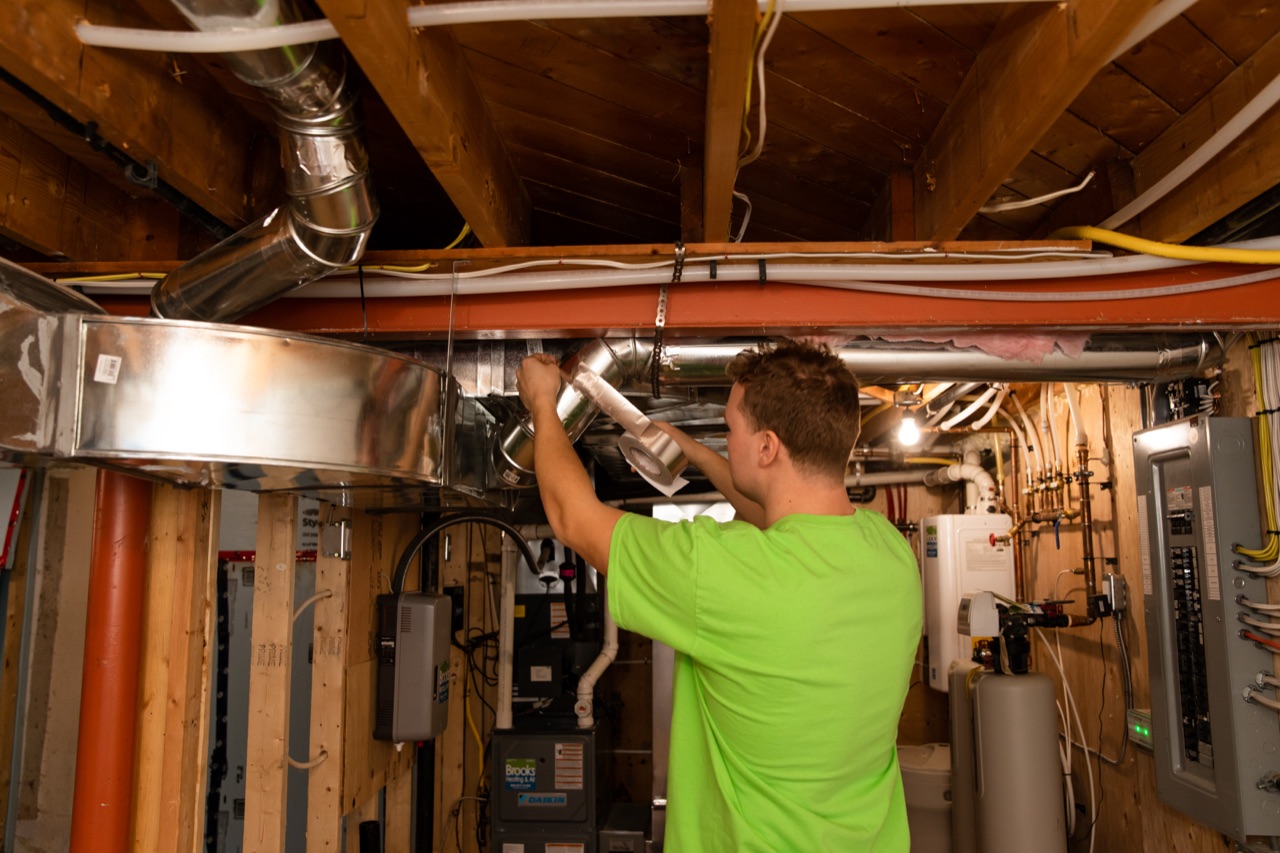
Halton Hills households need a comfort plan tied to local alerts, seasonal risks, and the conditions at their own address. The Town identifies extreme heat, flooding, power outages, thunderstorms, high winds, and winter storms as local risks. Use the Georgetown forecast and alerts, keep a three-day emergency kit, and plan for spring rain and snowmelt, summer heat and pollen, fall heating checks, and winter outages. Treat older sections, additions, and rural access as address-specific conditions, not local stereotypes. This guide focuses on readiness and safe next steps, not general HVAC diagnosis or property design.
Key takeaways
- Follow official Georgetown weather alerts and Town emergency information.
- Prepare for spring flooding, summer heat, fall heating, and winter outages.
- Keep battery-operated smoke and carbon monoxide alarms ready for outages.
- Treat older sections, additions, and rural access as conditional address facts.
- Confirm service availability for a specific address rather than assuming coverage.
Start with local signals
The Town of Halton Hills preparedness page tells residents to know the risks, make a plan, and build a kit. Its local risk list includes extreme heat, flooding, power outages, thunderstorms and lightning, tornadoes and high winds, and winter storms. The Town says a household emergency kit should support the household for at least three days and should be refreshed twice a year.
Bookmark Environment and Climate Change Canada’s Georgetown page for current forecasts and alerts. Use the Town’s preparedness and flooding pages for local instructions. Residents can also check Brooks’ Georgetown service area page for local availability information. These public sources guide readiness. A forecast, warning, or regional observation is not a heating or cooling design value for one property.
Use a four-season Halton Hills plan
Spring: rain, snowmelt, and pollen
The Town says large rain events and spring snowmelt can overwhelm natural and built drainage, with lot-level flooding the main risk to property owners. Before wet weather, check the Town’s flood page and any conservation-authority notices for the address. Keep roof runoff paths, downspouts, and visible drainage clear where it is safe and within the homeowner’s responsibility. Confirm that stored valuables and important records are not in a known water path.
Pollen can enter through windows, doors, vents, and other openings. When pollen affects the household, check outdoor conditions before opening windows, keep the correct HVAC filter maintained as part of a broader indoor air quality plan, and use the dedicated air-filter guide for fit and compatibility. This is exposure planning, not medical treatment.
Summer: heat, humidity, storms, and outdoor air
Use the Georgetown forecast and alerts for heat, thunderstorms, and air-quality notices. Decide in advance where the household can go if the home becomes unsafe during a heat event or outage. Keep the emergency kit, medications, communication plan, and transportation needs current.
For ordinary humid weather, use exterior-vented kitchen and bathroom exhaust for indoor moisture and follow the cooling-system manual. During smoke or poor outdoor-air conditions, follow official advice before opening windows. Do not use a forecast temperature or a humidex value to size equipment.
Fall: heating readiness and alarm checks
Review the heating manual, service records, fuel supply if applicable, and safe access before cold weather. Test smoke and carbon monoxide alarms according to their instructions and replace batteries or alarms when required by the manufacturer. Do not open fuel-burning equipment or change venting.
In Ontario, regulated natural-gas, propane, or oil fuels work must be done by appropriately certified technicians working for a TSSA-registered contractor. A registry listing confirms registration, not an endorsement.
Winter: storms, access, and backup plans
Winter storms, freezing rain, and high winds can interrupt electricity and travel. Keep the emergency kit easy to reach. Check official weather and utility updates before travel or service. Maintain safe access to meters, outdoor equipment, and vents only as the equipment instructions allow. Never chip ice from equipment or alter a vent.
If the home becomes too cold and it is safe to leave, use the planned alternative location. Do not use a gas stove or oven, barbecue, camp stove, or indoor fuel-burning generator as a heat source.
Plan for rural-property conditions without making assumptions
A rural address may have access, fuel, well-pump, outbuilding, or backup-power needs, but those conditions are not universal. Record only what applies at the property. Include road and driveway access, a gate or lock, the location of outdoor equipment, any fuel-delivery needs, and electrical loads that matter during an outage.
Before weather worsens, decide how the household will receive alerts and where it will go if travel or power is disrupted. Do not assume that an address is covered because it is inside the municipality. Confirm service availability, access, and the requested work directly through Brooks’ services page before scheduling.
Treat older sections and additions as conditional scenarios
If a Halton Hills home has an older section, a later addition, or both, include that fact in seasonal planning. Age or an addition does not by itself prove that the home has a comfort problem.
Before heavy rain, note whether an addition has a separate foundation or lower entry that needs attention. Before heat or cold, note whether it has separate controls, outdoor equipment, or a different shutoff. Keep permits, manuals, renovation records, and photos of concealed work if available.
Use the complete home comfort handbook for room-by-room diagnosis, airflow, humidity, insulation, and controls. For this local plan, the next step is simpler: know which section is affected, which equipment serves it, and which safe exit or shutoff instructions apply during an emergency.
Keep flood response separate from comfort troubleshooting
The Town says flooding can come from heavy rain or melting snow around a foundation, blocked drains or sewer backup, or nearby waterways. Follow the Town’s current contact instructions for the type of flood and call 911 for an emergency.
If a flood warning affects the property, follow local instructions about electricity and moving important items. Do not enter water near electrical equipment or try to restart wet heating, cooling, water-heating, or ventilation equipment. Use the appropriate emergency service, utility, insurer, electrician, fuels contractor, or restoration professional for the condition.
After water recedes, a comfort complaint is not the first issue. Electrical safety, fuel safety, water contamination, drying, and damage assessment come first. Keep photos and written records without entering an unsafe area.
Build a safe power-outage routine
Ontario’s current outage page says to use battery-operated smoke and carbon monoxide alarms. Follow each alarm’s test, battery, and replacement instructions. Decide where the household can go if indoor temperatures become unsafe. Include electricity-dependent medical devices, mobility equipment, a well pump, communications, and medication storage in the plan.
Never use a gas stove or oven for heat. Do not use a barbecue, camp stove, or fuel-burning generator indoors, in a garage, or in another enclosed space. Ontario advises following the generator manufacturer and having backup equipment professionally installed. A licensed electrician should handle any connection to house wiring.
After power returns, Ontario says to wait 10 to 15 minutes before slowly turning appliances back on so the system can stabilize. Turn on essential items first, such as heat in winter. Make sure a water heater is full before turning it back on. If there is visible electrical damage, water near equipment, an alarm, or an unusual odour, stop and call the proper professional.
Use a local seasonal readiness card
Review this card twice a year and before a forecast event.
| Local need | Record now | Recheck trigger |
|---|---|---|
| Alerts | Georgetown weather page, Alert Ready, Town and utility contacts | Storm, heat, flood, or air-quality notice |
| Safe location | Where the household will go during unsafe heat or cold | Seasonal change or household move |
| Emergency kit | Three-day supplies, medication, lights, radio, charged batteries | Twice-yearly refresh |
| Water risk | Address-specific flood source, records, insurance and local contacts | Spring snowmelt or heavy-rain alert |
| Power needs | Alarms, medical devices, well pump, heating, cooling and communications | Before storm season |
| Property access | Driveway, gate, equipment, meters and rural route details | Before booking or severe weather |
| Home layout | Original section, addition, lower entry and serving equipment, if present | Renovation or equipment change |
This card does not replace emergency instructions. It keeps the address details and official sources in one place when time matters.
Run a 24-hour check when a warning is issued
Start with the alert itself. Confirm the affected area, timing, and hazard on the official source rather than relying on a shared screenshot. Charge communication devices and backup batteries. Check the household’s planned safe location, transport, medication, water, and lighting. Put manuals and emergency contacts where they can be reached without entering a basement or mechanical area.
For a heavy-rain or flood warning, follow the Town’s current property and contact guidance. For a heat warning, confirm the cooling and alternative-location plan. For a winter storm, protect safe access without working on live or fuel-burning equipment. For an outage warning, unplug or turn down equipment only as official and manufacturer instructions direct.
Do not book routine comfort work as the response to an immediate hazard. Emergency services, the utility, the Town, a conservation authority, or another licensed trade may own the first step.
Frequently asked questions
Which local alerts should I bookmark?
Start with Environment and Climate Change Canada’s Georgetown forecast and alerts, Alert Ready, the Town’s preparedness page, the Town’s flooding page, and the local utility’s outage information. Conservation-authority flood notices may also apply to the address.
What should I do if water threatens the mechanical room?
Follow current local emergency and flood instructions. Do not enter water near electrical equipment or operate wet equipment. Call 911 for an emergency and use the proper utility, electrician, fuels contractor, insurer, or restoration service for the actual condition.
What should I do when power comes back?
Ontario says to wait 10 to 15 minutes, then restore appliances slowly and turn on essentials first. Make sure the water heater is full before turning it on. Stop if there is damage, water, an alarm, or an unusual odour.
How should I plan for an older section or addition?
Only use the features that exist at the address. Record which equipment serves each section, separate lower entries or foundations, available manuals and permits, and the safe access or shutoff instructions. Use the whole-home guide for detailed comfort diagnosis.
Does Brooks serve every rural or historic property in Halton Hills?
Do not assume that a building type or municipal location confirms service. Review Brooks’ public service-area information and confirm the exact address, access, and requested work before scheduling. Other qualified trades may be needed for materials or systems outside HVAC work.
Because our winters and summers both push equipment hard, it’s worth comparing systems built for this climate — see How to Choose the Right HVAC System.
Confirm the address before the season changes
Complete the seasonal readiness card and review Brooks’ Halton Hills service-area page. If service may be needed, confirm the address and requested work before severe weather or access problems make planning harder.