
The Complete Home Comfort Handbook
Discover how temperature, humidity, airflow, filtration, insulation, and zoning work together as one system, and learn the simple checks to try before assuming you need new HVAC equipment.
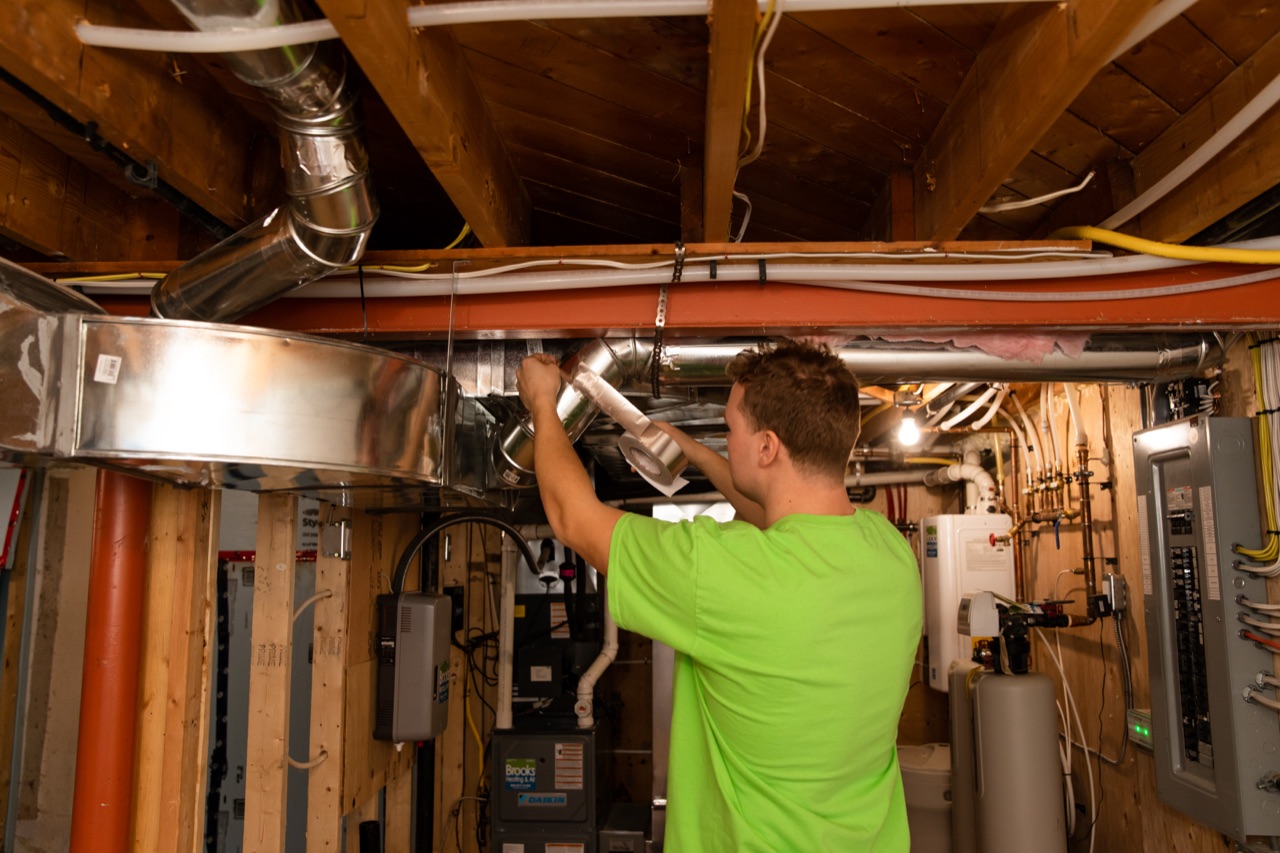
A comfortable home is not created by one thermostat setting. Comfort depends on temperature, humidity, airflow, filtration, insulation, zoning, and equipment design working as one system. If one room is always cold, the useful question is not only whether the furnace is running. The room may have too little supply air, a weak return path, a leaky window, wet air, or a control problem. Start by naming where and when the problem happens. Then check the simple causes before changing equipment. This guide explains that whole-home approach without turning comfort into a shopping list.
Key takeaways
- Treat uneven comfort as a system problem, not an automatic equipment failure.
- Measure temperature and humidity before changing settings or buying accessories.
- Keep supply registers, return grilles, and the correct filter clear.
- Pair insulation and air sealing with moisture, ventilation, and combustion-safety planning.
- Ask for a room-by-room diagnosis when a problem keeps returning.
Comfort starts with a clear problem
“The house is uncomfortable” is hard to diagnose. A short comfort log gives you better facts. Write down the room, time, weather, thermostat setting, measured temperature, relative humidity, system mode, and what you noticed. Note whether the problem changes when a door is closed, the sun hits a window, the range hood runs, or several people use the room.
Patterns point to different causes. One hot second-floor bedroom may suggest solar gain, insulation, or airflow. A whole house that feels clammy during mild weather may involve humidity control or equipment operation. A draft beside one window may be an envelope issue, even when the average room temperature looks normal.
Do not block a register to test a theory, open equipment panels, or change hidden damper positions without guidance. Record the pattern first. Safe observations are more useful than random adjustments.
Temperature is more than the thermostat number
A wall thermostat measures the air near that control. It does not show every room, floor, or surface. A room can feel cool if nearby windows or walls are cold. It can feel warm when afternoon sun heats the room. Warm air may collect upstairs while a basement stays cooler.
Use a simple room thermometer to compare problem areas with the thermostat. Place it away from direct sun, supply air, exterior doors, and cooking heat. Compare rooms at the same time while the system is running normally. A brief difference after a door opens is less useful than a steady pattern that appears each day.
Avoid chasing comfort with large setting changes. A higher heating setting cannot repair a disconnected duct or missing insulation. A lower cooling setting cannot remove a strong afternoon heat gain by itself. The goal is not identical readings everywhere. It is stable conditions that suit how each space is used.
Humidity changes how a room feels
Relative humidity describes how much moisture the air holds compared with the amount it could hold at that temperature. High indoor humidity can make summer air feel heavy. Very dry winter air may feel uncomfortable, but adding moisture without watching windows and cold surfaces can cause condensation.
Health Canada recommends maintaining indoor relative humidity between 30 and 50 per cent. That is general guidance, not a promise that one number suits every home in every week. During very cold Ontario weather, a home may need a lower indoor level to prevent water from collecting on windows or inside the building assembly.
Use a dependable hygrometer and look for trends. Check bathrooms, the basement, and problem bedrooms. Run bathroom and kitchen exhaust fans that vent outdoors. Fix plumbing or exterior leaks instead of asking a dehumidifier to hide them. If moisture or visible mould keeps returning, find and correct the water source.
Airflow needs a complete path
Forced-air comfort depends on air leaving supply registers, moving through rooms, and returning to the system. A powerful furnace or air conditioner cannot distribute air well through crushed, loose, undersized, or badly balanced ducts.
Start with visible checks:
- Keep supply registers open and free of rugs, furniture, and curtains.
- Keep return grilles clear.
- Notice whether closing a bedroom door changes airflow or room temperature.
- Check that the filter fits and is installed in the direction shown on the equipment or filter rack.
- Listen for new whistling, rattling, or rushing sounds.
Do not assume that closing several registers will push the right amount of air elsewhere. It can change system pressure and may make noise or performance worse. A technician can measure total airflow and pressure, inspect accessible ducts, and determine whether balancing or duct work is justified.
Homes heated by radiators, baseboards, or in-floor systems distribute heat differently. They still need clear heat emitters, working controls, and attention to room heat loss.
Filtration and ventilation have different jobs
A filter mainly protects equipment and captures some particles carried through the return air. Ventilation removes stale indoor air and brings in outdoor air. Source control means reducing pollutants where they begin. These tools support each other, but one does not replace the others.
Health Canada says reducing pollutant sources and improving ventilation are the main ways to improve indoor air. It also notes that filtration can reduce some airborne pollutants, while most air cleaners do not remove gases. This is why a stronger filter is not a complete indoor-air plan.
Choose a filter your system can handle. Public health guidance warns that a higher MERV filter can reduce airflow, allow bypass around a poor fit, or cause mechanical problems when the system is not designed for it. Check the equipment manual or ask a qualified HVAC professional before increasing filter resistance. Replace or clean the filter according to its instructions and actual loading, not a universal calendar.
Explore Brooks’ indoor air quality information when the concern involves filtration, humidity, or ventilation rather than temperature alone.
The building envelope sets the workload
Insulation slows heat flow. Air sealing limits uncontrolled leakage through gaps. Windows, doors, attic hatches, rim joists, and service penetrations can all affect comfort. These parts shape how much heating or cooling each room needs before the HVAC system starts.
Air sealing should still be planned as whole-house work. Natural Resources Canada explains that tightening a home can raise indoor humidity and reduce air available to combustion appliances. It advises attention to controlled ventilation and combustion-air supply. That matters in homes with fuel-burning furnaces, boilers, fireplaces, or water heaters.
Look for failed weatherstripping, visible gaps, recurring condensation, and missing insulation in accessible areas. Do not disturb suspect insulation or work around fuel vents without suitable expertise. A blower-door assessment can locate leakage more clearly than guessing from a single draft.
Zoning cannot fix every design problem
Zoning divides a home into areas with separate controls. It may use multiple systems, hydronic loops, duct dampers, or ductless indoor units. Good zoning can match different schedules and heat gains. Poorly planned zoning can create airflow or control problems.
Before adding zones, ask why the areas differ. A sunny addition, finished basement, and upper floor may have very different loads. One small room with a blocked return path may need a simpler correction. A thermostat in a hallway may not represent a room with large windows.
Portable sensors and smart controls can provide better information, but controls cannot create missing heating capacity, repair a duct leak, or add insulation. Any zone change should account for equipment controls, minimum airflow, duct layout, and how unused zones behave.
Equipment design connects the pieces
System design starts with the home’s heating and cooling needs, then considers distribution and controls. Floor area alone is not enough. Window area, insulation, leakage, orientation, room use, ducts, and local outdoor conditions all matter.
Oversized equipment is not an automatic comfort upgrade. It may meet the thermostat quickly while some rooms lag behind. Equipment that is too small or poorly matched may run without keeping up in design weather. The same symptoms can also come from maintenance issues, sensor placement, or distribution faults, so runtime by itself is not a verdict.
A useful assessment explains the load, airflow, control sequence, and observed problem. It should separate repairable faults from design limits. Brooks’ heating, cooling, and home-comfort services can help you see where to ask for support after the problem is clear.
Georgetown and Halton Hills context
Local homes in Halton Hills and Georgetown must handle cold winter weather, warm humid periods, and large changes between seasons. Older sections of Georgetown and Halton Hills may include additions or renovations with a different envelope and duct layout from the original house. Rural or edge-of-town properties can also have different fuel, electrical, and backup needs.
That does not make every local home the same. Use local weather and construction history as clues, then measure the actual house. A comfort solution for a newer open-plan home may not suit an older house with small rooms, several levels, or later additions. For a closer look at comfort patterns specific to this area, see the Halton Hills Home Comfort Guide.
A practical whole-home comfort check
Use this order before discussing major changes:
- Define the room, time, weather, and symptom.
- Record temperature and relative humidity for several normal cycles.
- Confirm the thermostat mode, schedule, and fan setting.
- Check the filter, supply registers, return grilles, and exterior-unit clearance where safe.
- Look for leaks, condensation, strong sun, and obvious envelope gaps.
- Note renovations, closed doors, new furniture, or recent control changes.
- Review maintenance and repair records.
- Ask for measured airflow, load, or control findings if the cause remains unclear.
This sequence protects against buying a product before the problem is understood.
Repair, improve, or redesign?
Repair makes sense when a safe, serviceable part or connection is causing the issue. A focused improvement may be better when the equipment works but a return path, control, insulation area, or moisture source needs attention. Redesign becomes relevant when the original distribution or capacity does not match the home.
Age alone does not settle the choice. Consider safety, condition, repair history, comfort, operating behaviour, and plans for the home. Ask what evidence supports the recommendation and which lower-cost corrections were ruled out.
Once you understand how these systems fit together, the next step is comparing which setup actually fits your home — see How to Choose the Right HVAC System.
Frequently asked questions
Why is one room always colder than the rest of the house?
Common causes include higher heat loss, low supply airflow, a weak return path, thermostat location, or a duct problem. Compare that room during several heating cycles and check clear registers first. If the pattern stays, ask for room-specific airflow and envelope checks rather than raising the whole-house setting.
What indoor humidity should I aim for in winter?
Health Canada’s general range is 30 to 50 per cent relative humidity, but condensation may require a lower winter setting. Watch windows and other cold surfaces. If water appears, reduce added moisture and investigate ventilation, leaks, and the cold surface instead of treating the target as fixed.
Will a higher-MERV filter make my home more comfortable?
Not by itself. A compatible filter may capture more particles, but too much resistance can reduce airflow. It will not repair humidity, ventilation, insulation, or duct issues. Confirm the highest filter efficiency your system can handle without blocking its required airflow.
Should I leave every interior door open?
Not necessarily, but a closed door can restrict the return path in some forced-air homes. If a room changes when its door closes, record that clue. A professional can assess whether the room needs a transfer path, return change, balancing, or another correction.
Does uneven temperature mean I need new HVAC equipment?
No. Uneven temperature can come from controls, airflow, ducts, insulation, windows, or room use. New equipment may repeat the same problem when distribution and load are not addressed. Start with diagnosis and repair when repair is safe and sensible.
Start with the room that bothers you
Keep a short comfort log and bring it with your system records. When you are ready, Ask Brooks what should be measured first. You can start with one clear question and decide what, if anything, needs a closer look.