
The Boiler and Hydronic Heating Guide
A practical guide to how Ontario boiler and hydronic heating systems work, what AFUE ratings really tell you, which warning signs need a technician right away, and how to weigh repair against replacement.
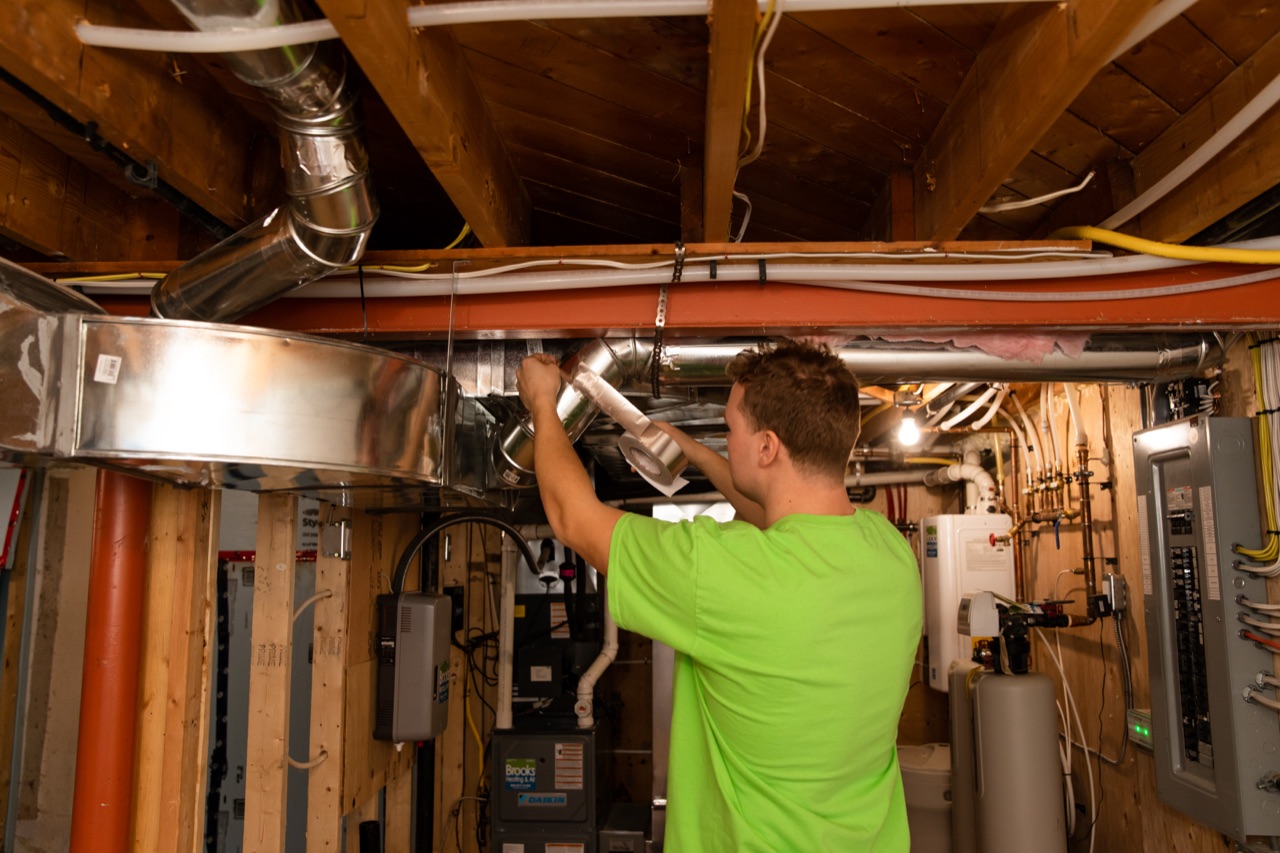
A boiler heats water, or in some older systems makes steam, and the distribution system carries that heat through the home. Good performance depends on more than the boiler itself. Pumps, piping, valves, controls, radiators, baseboards, in-floor loops, venting, and the building load all matter. Homeowners can watch for leaks, blocked vents, cold areas, noise, and control changes. Do not open a boiler, alter pressure, add chemicals, work on fuel or electrical parts, or adjust combustion. Use the system records and measured findings to decide whether maintenance, repair, distribution work, or replacement deserves attention.
Key takeaways
- Identify the boiler, fuel, distribution type, zones, and controls before comparing options.
- Treat the boiler and its water or steam distribution as one heating system.
- Use AFUE as a model comparison, not a promise about household bills.
- Leave pressure, combustion, fuel, electrical, venting, and internal water work to qualified people.
- Repair can be the better choice when it is safe, serviceable, and suited to the home.
How hydronic heat moves through a home
In a hot-water hydronic system, the boiler transfers heat to water. A pump moves that water through supply piping to heat emitters, and return piping brings cooler water back to the boiler. A thermostat or zone control starts a heating call. Valves and pumps direct flow to the area that needs heat.
Heat emitters may be:
- cast-iron radiators
- fin-tube baseboards
- panel radiators
- fan-assisted convectors
- tubing set into or below a floor
Each emitter needs the right water temperature and flow. Furniture, curtains, thick covers, dust, or later renovations can limit heat transfer. A room can stay cold because of trapped air, a closed or failed valve, poor flow, control trouble, low water temperature, or higher heat loss. A larger boiler does not automatically correct those conditions.
Low-pressure steam systems work differently. Steam rises through piping and releases heat as it condenses. The condensate then returns to the boiler. Steam vents, traps, pipe pitch, pressure controls, and water level are system-specific. Do not apply hot-water bleeding or pressure advice to a steam system.
Identify the boiler before making changes
Read the rating plate without removing a panel. Record the manufacturer, model, serial number, fuel, input, output, electrical supply, vent type, and installation date if known. Photograph the piping and controls from a safe distance. Keep manuals, service reports, permits, and past repair invoices together.
Common distinctions include:
Hot water or steam
Most hydronic explanations concern hot-water systems, but some homes use low-pressure steam. The controls, maintenance, and troubleshooting are not interchangeable.
Fuel-fired or electric
A boiler may use natural gas, propane, oil, or electricity. Fuel-fired equipment needs combustion air and a safe exhaust path. Electric equipment has no on-site combustion, but it still has high-voltage parts and hot pressurized water. Confirm that any contractor is qualified for the exact fuel, electrical, and hydronic scope.
Condensing or non-condensing
A condensing boiler is designed to recover additional heat from its exhaust when operating conditions allow. It also produces corrosive condensate. Natural Resources Canada’s natural-gas boiler retrofit guide calls for neutralizing equipment and says condensate is typically neutralized before it reaches an interior drain. A condensate pump may be needed when the drain is not conveniently located.
That federal guide is general and explicitly does not replace manufacturer instructions or applicable code. The boiler manual and the authority having jurisdiction determine the exact drain route, piping materials, neutralizer, pump, and maintenance requirements. Condensate drainage and neutralization are technician or plumber work, not a homeowner drain connection.
A non-condensing boiler needs return-water and venting conditions that protect it from unwanted condensation. Do not assume that simply lowering the water temperature improves every system.
Combination or heating-only
Some boilers also support domestic hot water through an internal or external arrangement. Others provide space heating only. A hot-water complaint may involve a separate tank, heat exchanger, mixing control, or priority setting. Map the arrangement before blaming the boiler.
Understand efficiency without overselling it
Annual Fuel Utilization Efficiency, or AFUE, is a standardized estimate of how much fuel energy a model converts to useful heat over a typical season. A higher AFUE indicates lower model losses under the test method. It does not include every real-house factor.
Federal requirements distinguish household gas hot-water boilers from low-pressure steam boilers. The current Natural Resources Canada page lists the applicable AFUE and control requirements by product class. Compare like with like, and verify the exact model rather than relying on a product-family headline.
Household energy use also depends on:
- the home’s heat loss and air leakage
- boiler sizing
- water-temperature settings and outdoor reset controls
- pipe and distribution losses
- zone operation
- cycling behaviour
- maintenance and combustion setup
- thermostat schedules and household use
Natural Resources Canada notes that an outdoor reset control can adjust circulating-water temperature according to outdoor conditions. That can improve system operation when it is designed and set up for the boiler and emitters. It is technician work, not a universal add-on or homeowner adjustment.
Make maintenance system-specific
Start with the manufacturer’s instructions and the boiler’s service history. A useful professional visit should match the equipment and may include combustion and venting checks, safety-control tests, leak inspection, pressure and temperature review, pump and valve checks, condensate service, and confirmation of the operating sequence.
Natural Resources Canada says oil-fired furnaces and boilers require annual cleaning and tuning, while natural-gas and propane equipment should be serviced at least every two years. Manufacturer instructions, equipment condition, local requirements, and past findings may call for a different interval. Its gas-boiler retrofit guidance says many manufacturers require an annual maintenance review and combustion analysis.
Before a maintenance visit, compare the boiler manual and last service report with Brooks’ boiler maintenance information. Mark any change in pressure, noise, lockouts, or zone performance.
Homeowner-safe observations
- Keep storage away from the boiler and accessible piping.
- Check visible areas for water stains, drips, corrosion, or damaged insulation.
- Keep room air openings clear.
- Look outside from the ground for snow, ice, plants, or debris at accessible intake and exhaust terminations.
- Use a soft brush to clear loose snow only when the termination can be reached safely.
- Note pressure and temperature readings without changing valves or controls.
- Keep radiators and baseboards free of furniture and covers.
- Test certified carbon monoxide alarms as their instructions direct.
- Record rooms that heat slowly or overshoot.
Work for qualified technicians
- fuel piping, burners, ignition, combustion, and gas pressure
- flues, chimneys, intake and exhaust systems
- electrical wiring, relays, motors, and safety controls
- relief valves, expansion tanks, fill valves, and system pressure
- draining, filling, purging, bleeding, or adding treatment chemicals
- pumps, zone valves, mixing valves, and control programming
- condensate drains, pumps, corrosion-resistant piping, neutralizers, and their maintenance
- changes to boiler temperature, outdoor reset, or steam pressure
Hot water and steam can burn. A relief valve is a safety device, not a test handle for casual use. Do not cap, plug, isolate, or discharge it into an unsafe location.
Know which warning signs cannot wait
A carbon monoxide alarm is an emergency signal. Leave the home and follow the alarm maker’s and local emergency instructions. Do not re-enter to inspect the boiler.
If you smell fuel, see smoke, find scorching, or hear an unusual ignition event, move away and follow the fuel supplier’s or emergency authority’s instructions. Do not operate switches near a suspected gas release.
Other signs that call for prompt professional assessment include:
- water near the boiler or a steady pressure change
- heavy corrosion, soot, or staining
- repeated lockouts or manual resets
- an intake or exhaust that keeps icing or blocking
- banging, kettling, grinding, or pump noise that is new
- several cold emitters or an entire zone that stops heating
- frequent short cycles
- a condensate leak
- a relief pipe that drips or discharges
- steam vents releasing water or failing repeatedly
Do not keep adding water to hide a leak. The need for repeated filling points to a fault that should be found.
TSSA states that registered fuels contractors are the only businesses legally authorized to do fuels-related work in Ontario. The registry verifies authorization but is not an endorsement. Fuel-fired boiler work must be done by the appropriate certified technician employed by a registered contractor.
Use a repair-or-replacement framework
Replacement is not the default response to age. Start with safety and a clear diagnosis.
- Name the failure. Ask for the measured fault, failed part, or unsafe condition.
- Check serviceability. Confirm parts, repair scope, and whether other defects remain.
- Review history. Look at leaks, lockouts, combustion findings, repair frequency, and water quality concerns.
- Assess the whole system. Include pumps, valves, emitters, piping, venting, chimney, electrical supply, and controls.
- Revisit the load. Do not copy the old boiler input without checking the home’s current heat loss.
- Compare operating plans. Ask how water temperature, zoning, domestic hot water, and outdoor reset will work.
- Define installation work. Include venting, condensate, drainage, piping, permits, controls, commissioning, and old-equipment removal where applicable.
- Separate efficiency from savings claims. Compare ratings and design, but do not accept a guaranteed bill result.
A sound repair can preserve a system that still fits the home. Replacement becomes more reasonable when a safety issue cannot be corrected sensibly, a major component is not serviceable, recurring failures continue, or the boiler and distribution no longer match the load and plans for the house.
Georgetown and Halton Hills context
Cold Ontario weather puts long operating hours on heating equipment. Older homes across Georgetown and Halton Hills may have cast-iron radiators, later additions, mixed emitter types, changed windows, or envelope upgrades that altered room loads. Rural and edge-of-town homes may also use different fuels or have power-outage planning needs.
Those details affect sizing and controls. They do not prove that a boiler needs replacement. Use Brooks’ boiler overview to select the page that matches the problem, then confirm the exact boiler, fuel, and work scope before booking.
Frequently asked questions
Is boiler heat the same as forced-air heat?
No. A hydronic boiler moves heat through water and emitters such as radiators or in-floor tubing. A forced-air system moves heated air through ducts. The controls, distribution faults, maintenance, and comfort patterns are different.
What does AFUE tell me about a boiler?
AFUE is a standardized seasonal efficiency rating for the fuel-fired model. It helps compare similar equipment. It does not account for every piping loss, control setting, sizing issue, installation detail, household habit, or weather change, so it cannot guarantee a utility-bill result.
Can I bleed my own radiators?
Only follow a manufacturer-approved homeowner procedure if you can identify the system, valve, pressure limits, and burn risk. Steam and hot-water systems are different. If you are unsure, pressure changes often, or air keeps returning, stop and use a qualified hydronic technician.
Why does one boiler zone stay cold?
Possible causes include a control call, failed zone valve or pump, trapped air, low flow, closed valve, emitter blockage, or higher room heat loss. Check the thermostat and clear emitters only. Internal controls, pressure, purging, and pump work need a technician.
Does an old boiler always need replacement?
No. Condition, safety, serviceability, repair history, efficiency, sizing, controls, and the rest of the system matter more than age alone. Ask for the repair option when repair is safe and sensible, then compare it with a clearly scoped replacement.
When a heating zone stays cold
If a zone stays cold after the thermostat and visible emitter checks, review Brooks’ boiler repair information. Note whether other zones heat, any display code, new sound, or visible leak before deciding on an assessment. Do not reset the boiler repeatedly.
If your boiler is showing several of these warning signs, the next step is deciding whether it’s worth repairing — see Repair or Replace: The Complete Decision Guide.