
The Complete Furnace Buying Guide
A practical guide to comparing furnace fuel types, heating stages, variable-speed airflow, sizing, AFUE efficiency, venting, and installation quality before you sign a quote. Includes a full comparison checklist for evaluating multiple furnace replacement quotes in Ontario.
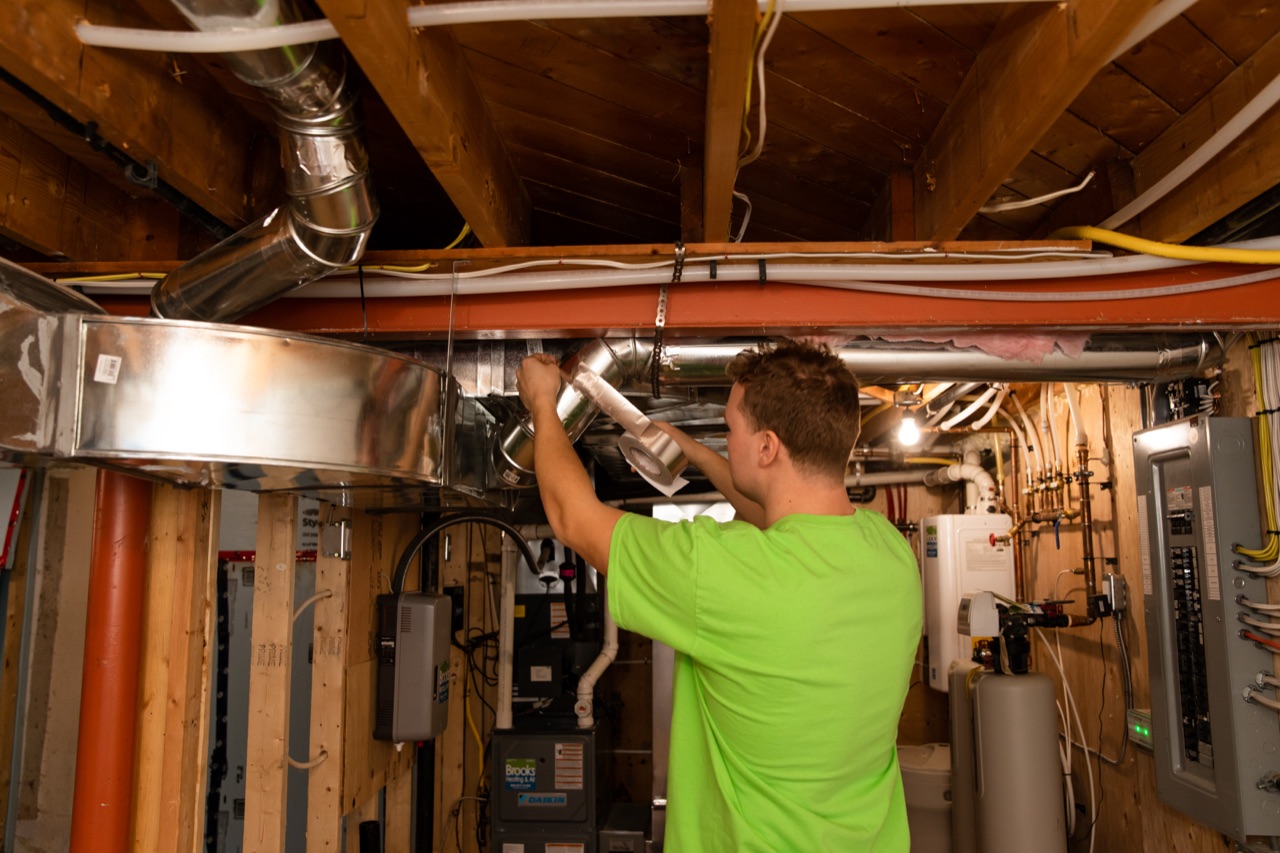
The right furnace is not simply the largest unit or the model with the longest feature list. It must use an available fuel, match the home’s calculated heat loss, move air through the existing ducts, vent safely, drain correctly where required, and work with the controls and cooling equipment. Start with a diagnosis if the current furnace has failed. A safe repair may still be the sound choice. If replacement is justified, compare written quotes by capacity, stages, blower, efficiency, venting, installation scope, and commissioning. Those details show more about fit than a brand name alone.
Key takeaways
- Confirm whether the present problem can be safely and sensibly repaired.
- Require a heat-loss calculation instead of copying the old furnace size.
- Compare heating stages and blower operation as separate features.
- Read AFUE as fuel efficiency, not total system electricity use or a savings promise.
- Make venting, drainage, controls, airflow, and final testing part of the written scope.
First decide whether this is a repair or a purchase
A no-heat call does not automatically mean the furnace is finished. A thermostat, control, igniter, motor, sensor, filter, drain, or other serviceable part may be the cause. Ask for the fault, safety finding, repair option, and expected result before discussing replacement.
Compare replacement when equipment is unsafe, badly matched, repeatedly failing, or difficult to repair because major parts are unavailable. Age is planning information, not proof by itself.
Use the same facts for both options:
- What failed?
- Is the furnace safe to operate?
- What does the repair restore?
- What other known issues remain?
- Has the home or duct system changed?
- How long do you expect to own the home?
Brooks’ furnace information can help you understand common furnace choices, but the actual furnace still needs a diagnosis.
Fuel choice starts with the property
Residential furnaces may use natural gas, propane, oil, or electric resistance. Existing service, fuel storage, venting, electrical capacity, local requirements, and operating preferences narrow the choice.
Do not assume that changing fuel is a simple equipment swap. It may affect piping, storage, electrical work, venting, removal of old equipment, and other trades. Ask for the full project boundary in writing.
For fuel-fired furnace work in Ontario, verify who is legally authorized to do it. TSSA states that registered fuels contractors are the only businesses legally authorized to perform fuels-related work in Ontario. Its registry can confirm registration, but TSSA also says a listing is not an endorsement or referral.
Before choosing a fuel type, ask whether the contractor works with that fuel and whether every required property change is included in the quote.
Understand single-stage, two-stage, and modulating heat
The heating stage describes how the burner or heat source changes output.
Single-stage equipment has one normal heating output. It is either on at that output or off.
Two-stage equipment has a lower and higher heating output. It can use lower heat during milder demand and increase when controls call for more.
Modulating equipment can adjust heating output across a broader range, subject to its design and controls.
Natural Resources Canada explains that staged and modulating furnaces can provide lower heating output for longer periods during milder weather instead of short periods at higher output. That can support steadier operation, but it does not fix wrong sizing, poor ducts, or bad thermostat placement.
Ask how the thermostat controls the stages. The quoted model, control wiring, and setup must match.
Variable-speed airflow is a different feature
Heating stages describe heat output. Blower speed describes air movement. They are related during operation but are not the same feature.
A basic blower may use a limited set of fixed speeds chosen during setup. A variable-speed blower can adjust across a wider operating range to meet programmed airflow for heating, cooling, circulation, or dehumidification strategies. “Variable speed” does not mean the blower chooses any airflow without limits. The installer still needs correct settings for the equipment and ducts.
Natural Resources Canada identifies high-efficiency blowers that modify speed to meet air-distribution needs as a feature of efficient furnaces.
Ask what airflow the furnace will deliver in each heating and cooling stage. If the blower is too aggressive for the ducts, noise and pressure may rise. If airflow is too low, equipment performance and reliability can suffer. A good quote addresses the duct system rather than treating the blower as a feature in isolation.
Furnace size must follow heat loss
Furnace capacity is usually stated as input and output. Input is the energy supplied to the furnace. Output is the useful heat delivered under its rated conditions. The selected output should relate to the home’s calculated design heat loss.
Floor area alone misses insulation, air leakage, windows, orientation, additions, and local design weather. The old furnace nameplate is also weak evidence because the old unit may have been oversized or the house may have changed.
Natural Resources Canada advises buyers to ask a contractor to calculate the home’s heat requirements so the furnace is sized properly. Ask for the calculation and assumptions, not only a final equipment size.
Bigger is not a comfort guarantee. An oversized furnace may satisfy the thermostat quickly while remote rooms remain uneven, especially when distribution is poor. A furnace that is too small may not meet the design load. Staging can help equipment adapt within its range, but it does not excuse a missing calculation.
What AFUE tells you, and what it does not
Annual Fuel Utilization Efficiency, or AFUE, is a seasonal measure of how efficiently a furnace converts fuel into delivered heat under the rating method. A higher AFUE indicates less rated fuel loss for comparable fuel-fired equipment.
Natural Resources Canada states that AFUE measures seasonal fuel efficiency and does not include electricity used by controls, fans, or pumps. The voluntary EnerGuide label shows the model type, AFUE, and where it sits among similar models.
AFUE does not predict one home’s bill. Weather, thermostat settings, fuel rates, ducts, leakage, maintenance, blower electricity, and the equipment being replaced all affect the result. Do not accept a guaranteed saving based on AFUE alone.
Compare the exact model and label, then consider blower efficiency, staging, sizing, and installation.
Venting and drainage are part of the furnace
Fuel-burning furnaces produce combustion gases that must leave the home through an approved venting system. The correct route, material, size, slope, termination, clearances, and combustion-air arrangement depend on the furnace, home, and applicable requirements.
Some high-efficiency furnaces also create condensate. The installation needs a suitable drain path and, where required, treatment or a condensate pump. Winter conditions, nearby walkways, existing drains, and finished spaces can affect the plan.
Natural Resources Canada notes that high-efficiency furnaces may use plastic sidewall venting while conventional equipment may use a chimney, and it advises professional review when chimney damage or condensation signs appear. Do not assume an old chimney, liner, sidewall opening, or drain can be reused without inspection.
TSSA advises that fuel-burning equipment can produce carbon monoxide and recommends regular inspection by a registered fuels contractor. Follow current Ontario alarm requirements and the alarm manufacturer’s testing and replacement instructions. Never bypass a furnace safety or alter fuel venting yourself.
Installation quality decides whether the design works
Good equipment can perform poorly when the installation is incomplete. The written scope should address:
- Confirmed heat loss and selected furnace output.
- Existing duct condition, filter arrangement, return path, and required airflow.
- Furnace location, service access, platform, and transitions.
- Fuel piping and shutoff work where applicable.
- Venting, combustion air, and terminations for fuel-fired equipment.
- Condensate routing and protection where required.
- Electrical supply, breaker, disconnect, wiring, and grounding.
- Thermostat compatibility and staging control.
- Integration with the existing air conditioner, heat pump, humidifier, or air cleaner where retained.
- Start-up measurements, control tests, safety checks, and homeowner handoff.
Commissioning means checking that the installed system operates as designed. For a furnace, that can include model-specific gas or fuel setup, temperature rise, airflow, venting behaviour, drain operation, staging, thermostat calls, and safety controls. The exact checks depend on the equipment.
Ask which results will be recorded. “Tested” is less useful than a completed start-up sheet or written measurements.
Compare quotes by scope, not just the total
Put each quote beside the same question list:
- What exact furnace model and rated output are included?
- What heat-loss method and design condition were used?
- How many heating stages are provided?
- What blower motor and programmed airflows are included?
- Which thermostat and controls are included?
- What happens to the existing cooling equipment and accessories?
- What duct, return, filter-rack, or transition changes are included?
- What fuel, venting, chimney, combustion-air, and condensate work is included?
- Who handles any required permits, notifications, and inspections?
- What equipment, debris, and old materials will be removed?
- What start-up measurements and documents will be provided?
- What manufacturer registration, parts coverage, and labour terms are written into the agreement?
- What is excluded or priced as a possible extra?
Do not assume two quotes describe the same job because their furnace capacity looks similar. Ask for unclear allowances and exclusions to be corrected before comparing.
Budget without inventing a “normal” price
Project cost depends on the equipment and work needed to install it safely. Duct transitions, venting, drainage, controls, electrical changes, and access can change scope.
Ask for an itemized written quote and payment schedule. If you are considering payment options, Brooks’ financing page is a place to review current information. Confirm terms directly and do not let financing turn an unclear scope into an urgent decision. Ask about current manufacturer or utility incentives as well — Brooks tracks available energy rebates for Ontario homeowners that may apply to qualifying high-efficiency furnaces.
TSSA warns homeowners to be cautious about pressure to decide on the spot and advises verifying fuels credentials. Take enough time to understand the job unless a safety issue requires the equipment to remain off.
A final furnace selection checklist
Before signing, confirm:
- the repair option and safety finding were explained
- the heat-loss calculation supports the selected output
- fuel and electrical requirements are confirmed
- stages, blower, and thermostat will work together
- duct and filter needs are in scope
- AFUE and other ratings belong to the exact model
- venting and drainage have a written plan
- retained cooling and air-quality accessories are compatible
- commissioning results and handoff documents are included
- exclusions, current coverage terms, and payment terms are clear
Once these questions are ready, the furnace installation and replacement page can help you prepare for the next conversation.
Georgetown and Halton Hills context
Local homes vary in age, insulation, ducts, additions, basement finishes, fuel setup, and chimney condition in both Georgetown and Halton Hills. Cold winter design needs matter, but they do not create one correct furnace size for the area. A calculation and site review must represent the individual home.
Sidewall vents and outdoor terminations need a plan for snow, windows, doors, and service access.
Frequently asked questions
Is a two-stage furnace always better than a single-stage furnace?
No. Two-stage operation can provide lower output during mild demand, but value depends on sizing, controls, ducts, and homeowner priorities. A correctly sized single-stage furnace can be a better choice than a poorly selected staged unit.
Does a higher AFUE furnace always cost less to operate?
No. Higher AFUE means better rated fuel efficiency, but total cost also depends on fuel rates, weather, settings, ducts, blower electricity, and installation. Compare home-specific assumptions and avoid guaranteed savings claims.
Can I replace my furnace with the same size as the old one?
Only if a current heat-loss calculation supports that size. The old furnace may have been oversized, and renovations or envelope work may have changed the load. Use the old nameplate as history, not the sizing method.
Do I need new ductwork with a new furnace?
Not always. The existing ducts may be suitable, need focused changes, or have larger design limits. Ask for airflow and pressure findings, filter fit, return capacity, and any noisy or weak rooms before accepting a full-duct replacement or no duct work at all.
What should happen after the furnace starts for the first time?
The installer should complete model-specific start-up and safety checks, confirm controls and airflow, test retained equipment integration, explain operation, and provide documents. Ask for recorded findings and keep them with the furnace manual and future service history.
Compare your options without pressure
Keep the repair findings and quote checklist beside you. If replacement is still on the table, use Brooks’ furnace information to identify the questions that matter for your home. A good next step should leave you clearer about fit, not rushed toward the highest-priced option. If you’re also weighing a heat pump against a furnace, Brooks’ complete heat pump guide for Ontario homeowners covers efficiency and sizing considerations specific to that equipment.
Once you’ve narrowed down what furnace fits your home, the next step is navigating quotes, permits, and installation day — see the HVAC buyer’s playbook.